Supporting daily wellness with our patented food-based formulation.
The Foundation of Cellular Longevity
Aging begins deep within our cells. Telomere shortening, immune decline, and reduced expression of longevity-associated genes such as Klotho all contribute to the gradual changes we experience over time.
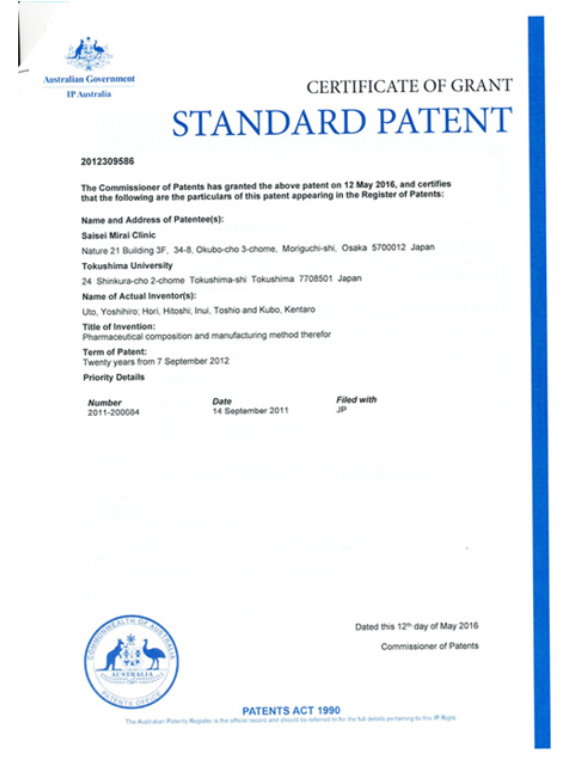
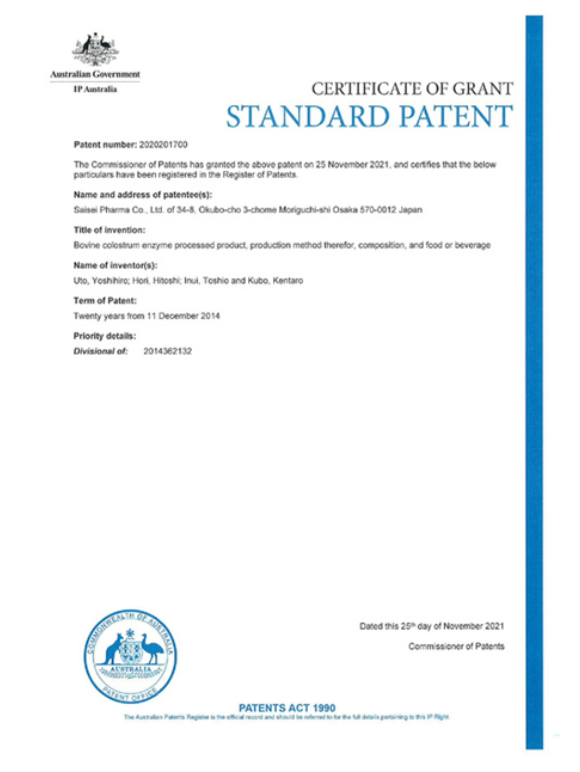
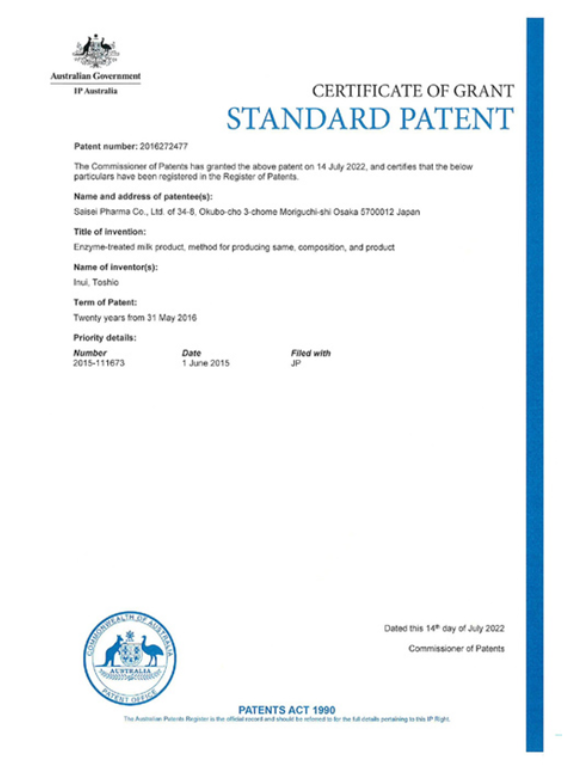
At Saisei Hawaii, we support healthy aging through Dietary MAF, created using Saisei Mirai’s patented technology. This specialized approach is designed to support immune balance and help maintain the cellular functions associated with long-term wellness.
Recent clinical research in Japan has shown encouraging connections between Dietary MAF and key biomarkers related to biological aging.
Why Telomeres and Klotho Matter
Healthy aging is shaped not only by years of life, but by the condition of our cells.
Cellular Aging and Immune Decline
As we age, immune efficiency gradually decreases while low-grade inflammation tends to rise. This process—often called “inflammaging”—can accelerate biological aging, disrupt tissue repair, and influence gene expression linked to longevity.
A Gentle, Daily Approach
Food-based support that works with the body’s natural systems may offer a sustainable way to maintain cellular vitality over time.
Telomeres — Protectors of Your Genetic Blueprint
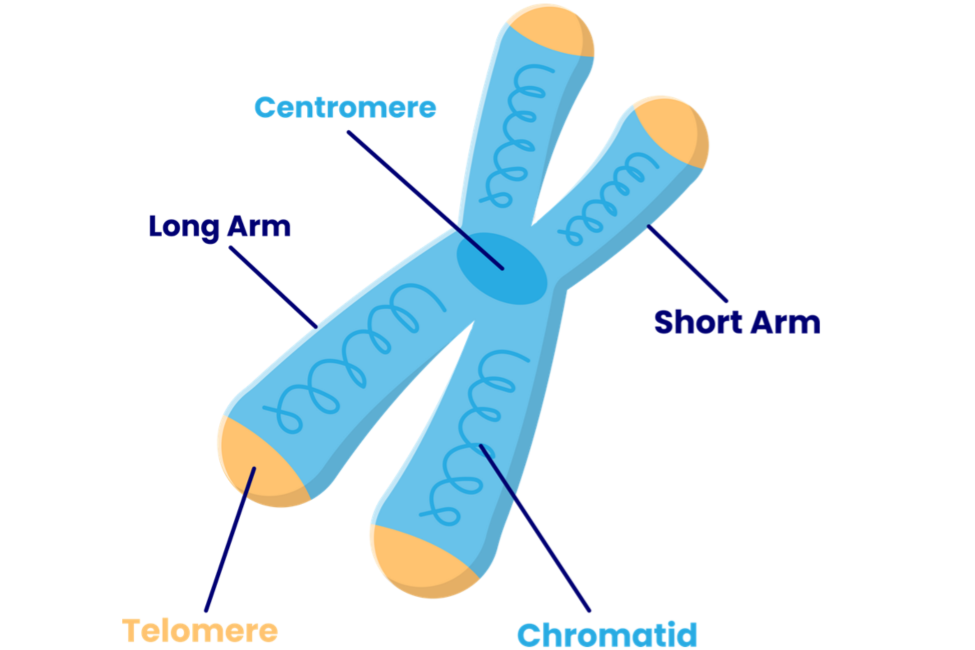
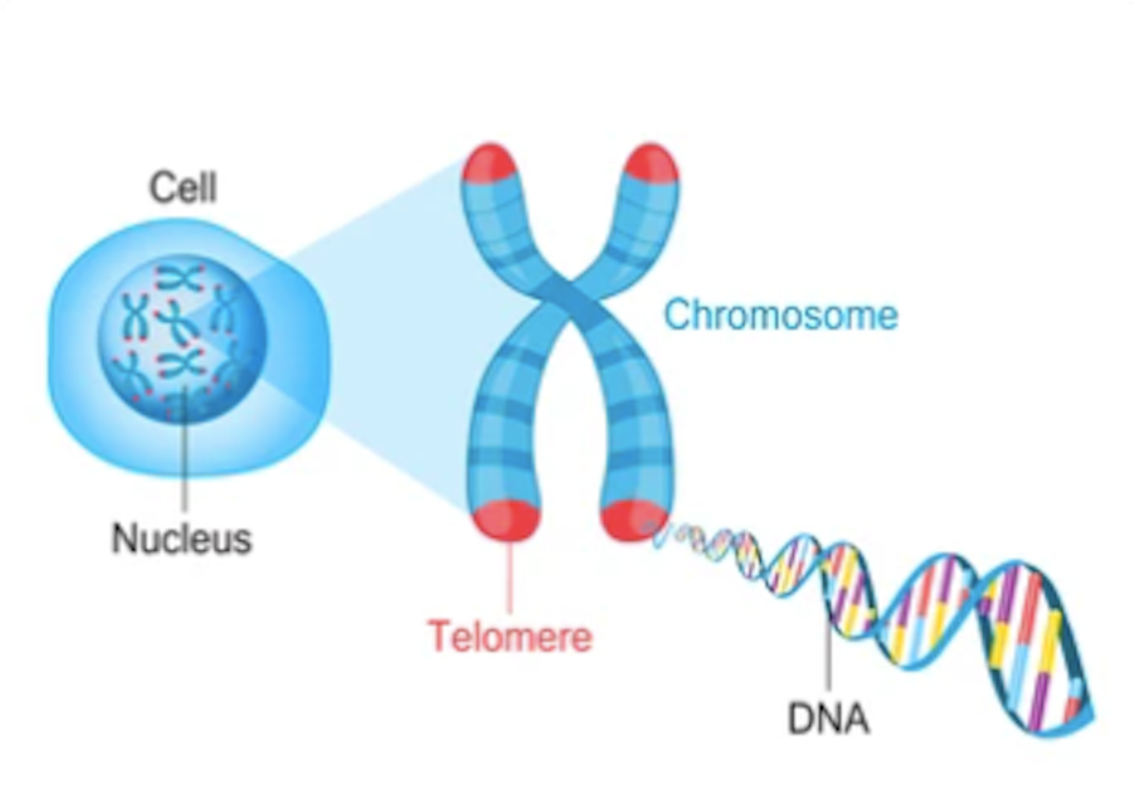
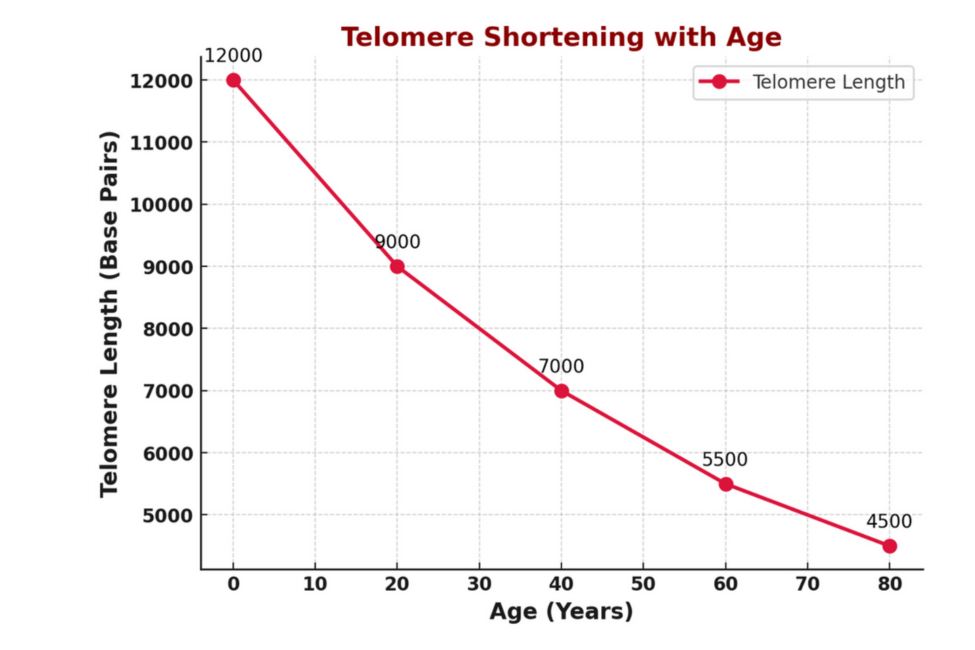
Telomeres are protective caps located at the ends of chromosomes. With each cell division, telomeres shorten. When they become too short, cells lose their ability to repair, regenerate, or function effectively.
Why Telomere Length Matters
ーShorter telomeres are associated with accelerated biological aging ーTelomere length correlates with immune resilience and cellular repair capacity ーMaintaining telomeres is considered a key strategy in longevity science
Telomerase (TERT & TERC)
Telomerase helps rebuild telomeres, but its activity is typically low in adulthood. A balanced internal environment may help support healthier telomerase-related activity.
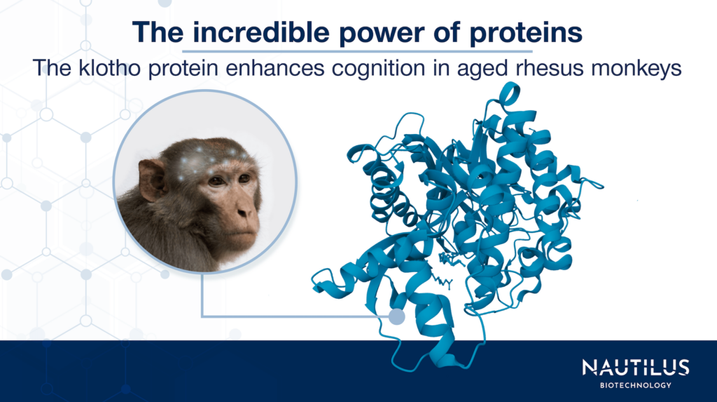
Klotho — The Longevity-Associated Gene
Klotho is a well-studied protein involved in:
ーCognitive support
ーKidney and metabolic health
ーAnti-inflammatory regulation
ーCellular protection and resilience
Klotho levels naturally decline with age. Higher expression is associated with healthier aging, making it a central marker in longevity research.
How Dietary MAF Supports These Pathways
Dietary MAF is created through Saisei Mirai’s patented technology, designed to support the body’s natural macrophage activity
The Role of Macrophages
Macrophages contribute to:
ーManaging inflammation
ーSupporting tissue repair
ーMaintaining immune communication
ーInfluencing cellular signaling related to aging
By supporting balanced macrophage function, Dietary MAF may help maintain the internal conditions linked to healthier telomere dynamics, improved cellular balance, and favorable longevity-related gene expression.
This support occurs through nutritional pathways — not pharmaceutical mechanisms — making MAF suitable for long-term daily use.
Clinical Evidence:
Phase 2 Clinical Trial in Japan
📌 Study Objective: Evaluating the efficacy of Dietary MAF for rejuvenation and longevity
📌Number of Participants: 161
📌Results: ✔ Telomere length increased by 12% at 3 months
✔ Telomere length increased by 23% at 6 months
✔ Biological age reduction observed within 6 months of MAF Triple intake
🔬 Ongoing Research: A similar clinical trial is currently being conducted in Indonesia to further evaluate MAF Triple’s rejuvenation and longevity effects.
A multicenter observational Phase 2 study evaluated the effects of Dietary MAF on biomarkers of aging in 203 adults aged 40 and older over six months.
Biomarkers Assessed
Telomere length
Telomerase-related genes (TERT, TERC)
Klotho blood levels
DNA methylation–based biological age
Key Findings (161 evaluated participants)
Telomere Length
+12% increase after 3 months
+23% increase after 6 months
Telomerase Activity
Favourable upward trends in TERT and TERC
Klotho Levels
+20% increase at both 3 and 6 months
Biological Age
–1.35 years reduction in a 60-person subgroup
Unlocking the Secrets of Telomeres & Aging
Ever wondered why we age?
The answer lies in telomeres
—the protective caps at the ends of our chromosomes.
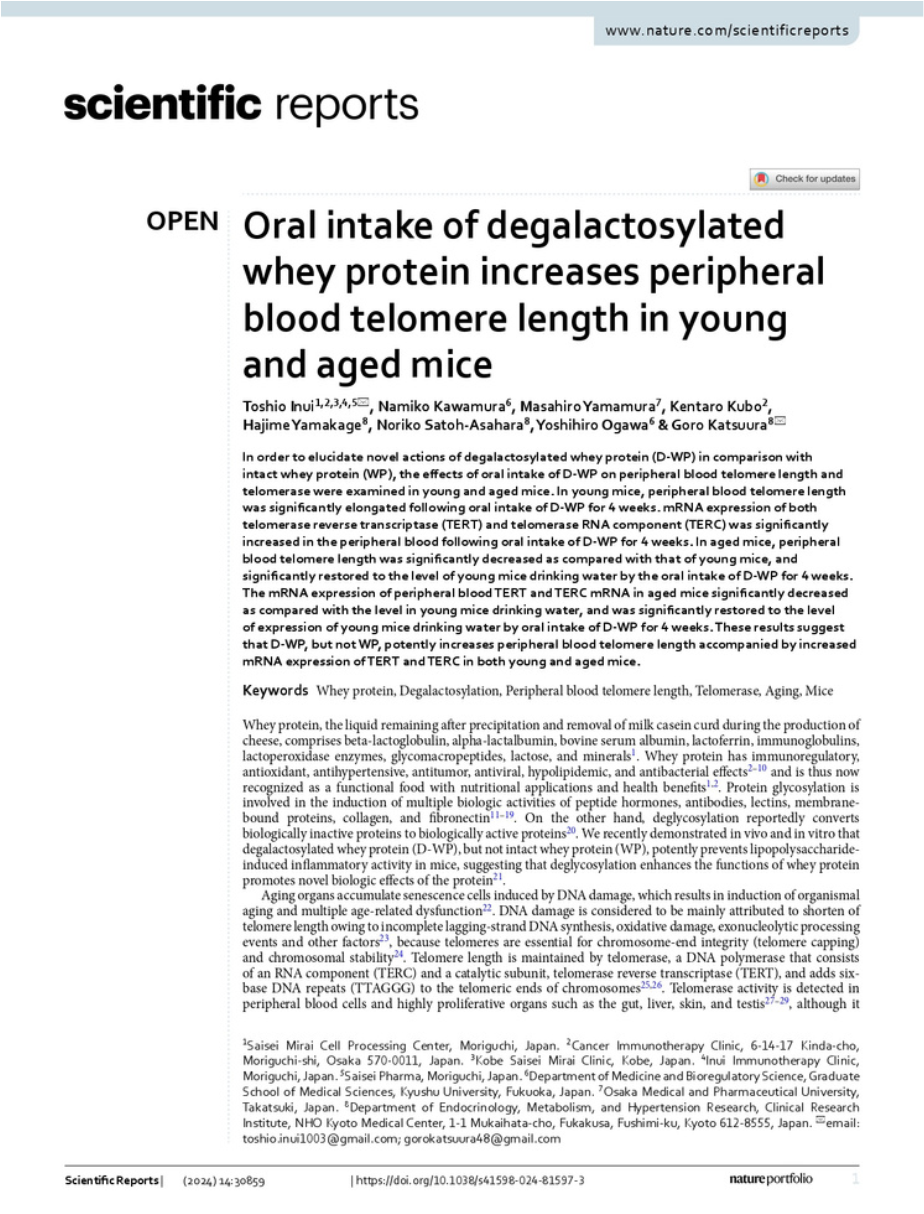
Degalactosylated Whey Protein (D-WP) Study – Effects on Telomere Length in Mice
A separate experimental study examined the effects of D-WP on telomere length and telomerase gene expression in young and aged mice.
📌 Findings:
✔ D-WP increased telomere length by 154% in young mice, while regular whey protein (WP) showed only a 121% increase.
✔ D-WP significantly upregulated telomerase reverse transcriptase (TERT) and telomerase RNA component (TERC) gene expression in peripheral blood.
✔ In aged mice, D-WP restored telomere length to youthful levels.
📌 Implication: D-WP, a key component in MAF Triple, enhances telomere maintenance, supporting longevity and cellular health.
Our latest research shows that MAF Triple has demonstrated telomere elongation in mice. Telomeres, the protective caps at the ends of chromosomes, shorten with each cell division, leading to aging and age-related diseases.
The Science of Aging – How Does It Work?
Aging isn’t just about time—it’s a biological process driven by molecular changes, particularly:
📌 Telomere Shortening – Limits cell division, leading to tissue degeneration and organ decline.
📌DNA Methylation Alterations – Epigenetic changes that influence gene activity, driving aging and disease.
They prevent cell malfunction and errors in DNA replication.
Their length determines how well our cells function over time.
What Happens When Telomeres Shorten?
Cells stop dividing, leading to aging and tissue degeneration.
Increased risk of diseases like heart disease, cancer, and immune decline.
Association with Aging
Telomere Shortening Over Time:
Each time a cell divides, a small portion of telomeric DNA is lost. Over time, telomeres become too short to protect the chromosome, leading to genomic instability.
Cellular Senescence and Aging:
Critically short telomeres signal cells to stop dividing, entering a state called senescence. This contributes to aging by reducing the body’s ability to regenerate tissues.
Association with Aging
Link to Age-Related Diseases:
Shortened telomeres have been associated with age-related conditions such as cardiovascular diseases, neurodegenerative disorders, and weakened immune function.
Role of Telomerase:
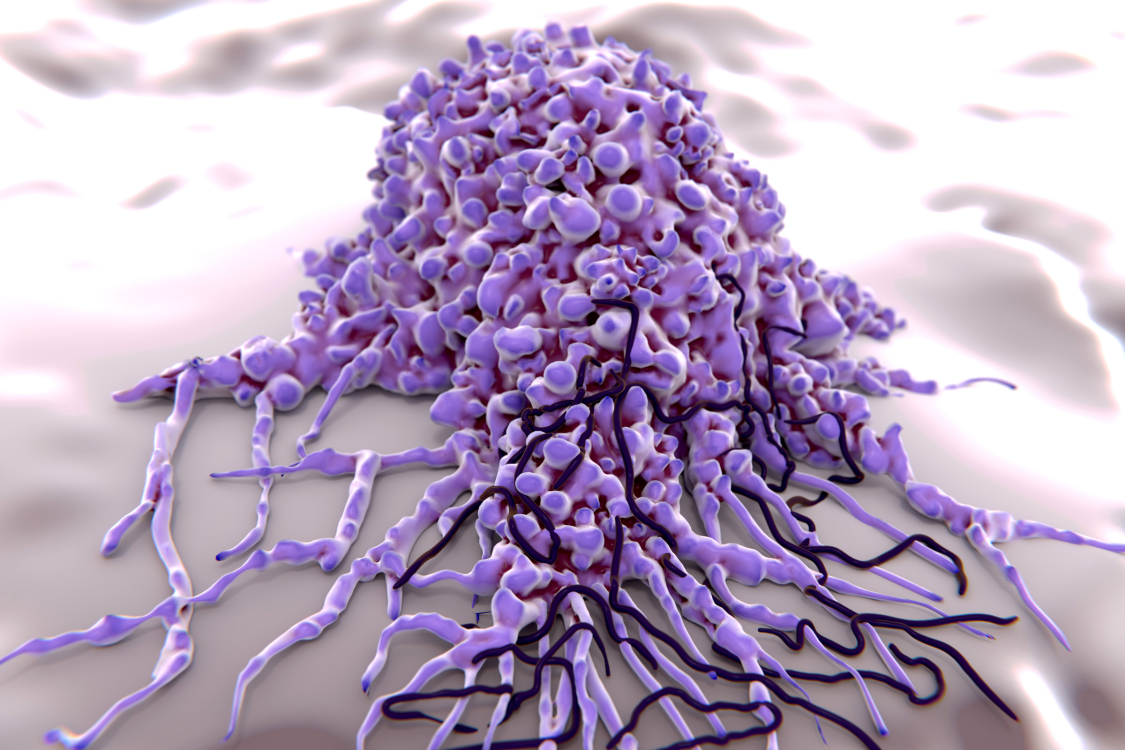
Some cells, like stem cells and cancer cells, activate an enzyme called telomerase, which extends telomeres and allows continued division. In normal somatic cells, telomerase activity is low, leading to gradual telomere shortening.
What’s the Difference Between Young and Old in DNA Methylation?
DNA methylation is a critical epigenetic marker that determines how genes are expressed over time.
🧬 Key Differences:
Young DNA: Balanced methylation patterns, maintaining healthy gene expression.
Aged DNA:
✔ Global Hypomethylation – Leads to genomic instability & weakened cell function.
✔ Local HyperMethylation in CpG Islands – Causes inappropriate gene silencing, impairing regeneration.
Why This Matters?
Research on telomere maintenance, including dietary interventions like Degalactosylated Whey Protein (D-WP), MAF Capsules Triple, is being explored for its potential role in extending healthy lifespan and delaying age-related decline.
How Does MAF Triple Help?
MAF Triple may help restore optimal methylation balance, supporting youthful gene expression and cellular repair.
Biological Aging Clocks – How Old Are You, Really?
🕰 Chronological age ≠ Biological age
Your birth year doesn’t define your health, but your biological markers do.
📌 Key Aging Biomarkers (Aging “Clocks”):
1️⃣ Telomere Length – Directly correlates with cell longevity.
2️⃣ DNA Methylation Clocks – Predict lifespan & biological health.
Studies suggest DNA methylation may be the most accurate aging clock.
✅It can estimate biological age & predict longevity
A study on DNA methylation found it predicts all-cause mortality in later life better than telomere length alone.
Can We Reverse Aging?
The Answer is YES!
Cutting-edge research suggests that aging isn’t fixed—it’s reversible.
📌 What if we could:
Restore telomere length?
Reprogram DNA methylation to youthful patterns?
Reduce oxidative stress & inflammation?
MAF Triple may be a key player in making this possible.
Clues from Nature – Why Do Some Animals Live
Over 200 Years?
Certain species, like bats, live over 10x longer than expected for their body size.
✅They resist aging & disease naturally.
✅Their epigenetic patterns stay youthful.
📌 If humans could replicate this biology, we could live up to 240 years looking young!
Could Immune Proteins Have
Anti-Ageing Benefits?
Researchers in Japan are investigating whether an IMMUNE-BOOSTING PROTEIN MIGHT HAVE USES IN
SLOWING AGE-RELATED DECLINE and improving cognition as societies around the world are rapidly ageing
MAF Series is approved as “Health Food” in Japan and in some European countries. Saisei Pharma’s immune activating food products are safe and made exclusively from natural ingredients.
MAF = Macrophage Activating Factor Dietary MAF boosts your immunity by activating the immune cells without any side effects and help you stay young and healthy.