
Autism Is Not Just
About the Brain
A broader scientific perspective suggests that autism may involve not only neurological differences, but also immune regulation, neuroinflammation, microglial function, and the body’s internal environment.
Beyond symptoms.
Beyond labels.
Explore autism through the relationship between brain development, immune regulation, inflammation, and microglial activity.
Clinical Evaluation at Saisei Mirai Clinics
At Saisei Mirai Clinics, autism is approached through physician-led consultation with a focus on the broader biological context — including neurodevelopment, immune regulation, and inflammatory balance.
Each case is reviewed individually, taking into account developmental history, current therapies, and family concerns, while working alongside the patient’s existing care team.
- Individualized physician consultation
- Brain–immune system perspective
- Integration with existing therapies
Different Developmental Pathways
Autism Spectrum Disorder is a neurodevelopmental condition that affects communication, behavior, and social interaction. Research suggests that brain development in autism may follow a different trajectory, particularly in how neural connections are formed, maintained, and refined over time.
Neural Connections Matter
During development, the brain creates an enormous number of synapses. Healthy brain maturation depends on refining these networks efficiently.
Autism May Involve Network Differences
In autism, differences in how connections are organized and maintained may affect how information is processed, interpreted, and integrated.
Function Emerges from Balance
Brain function depends not only on neurons themselves, but also on the cells and signals that regulate their environment.
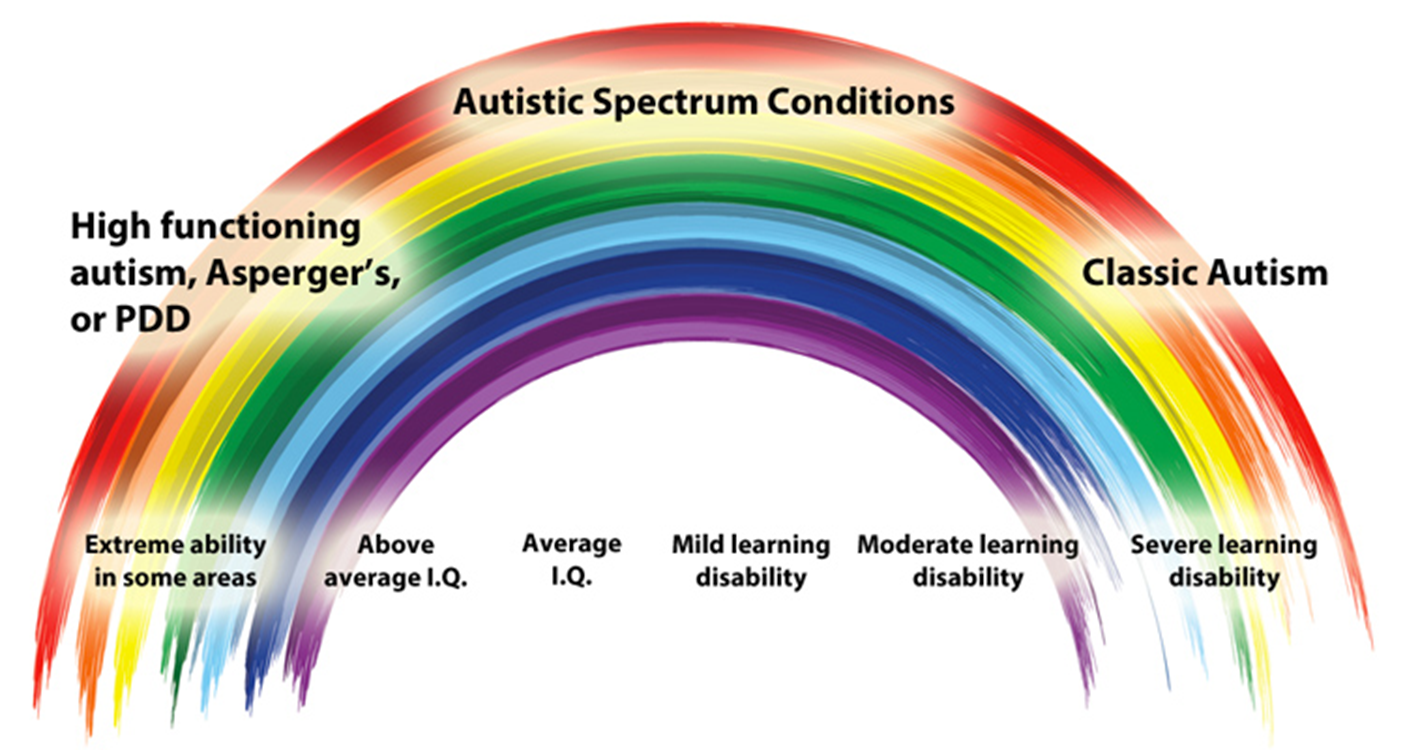
A Broad Spectrum
Autism presents differently in every individual. A broader framework helps explain
why support must be personalized rather than one-size-fits-all.
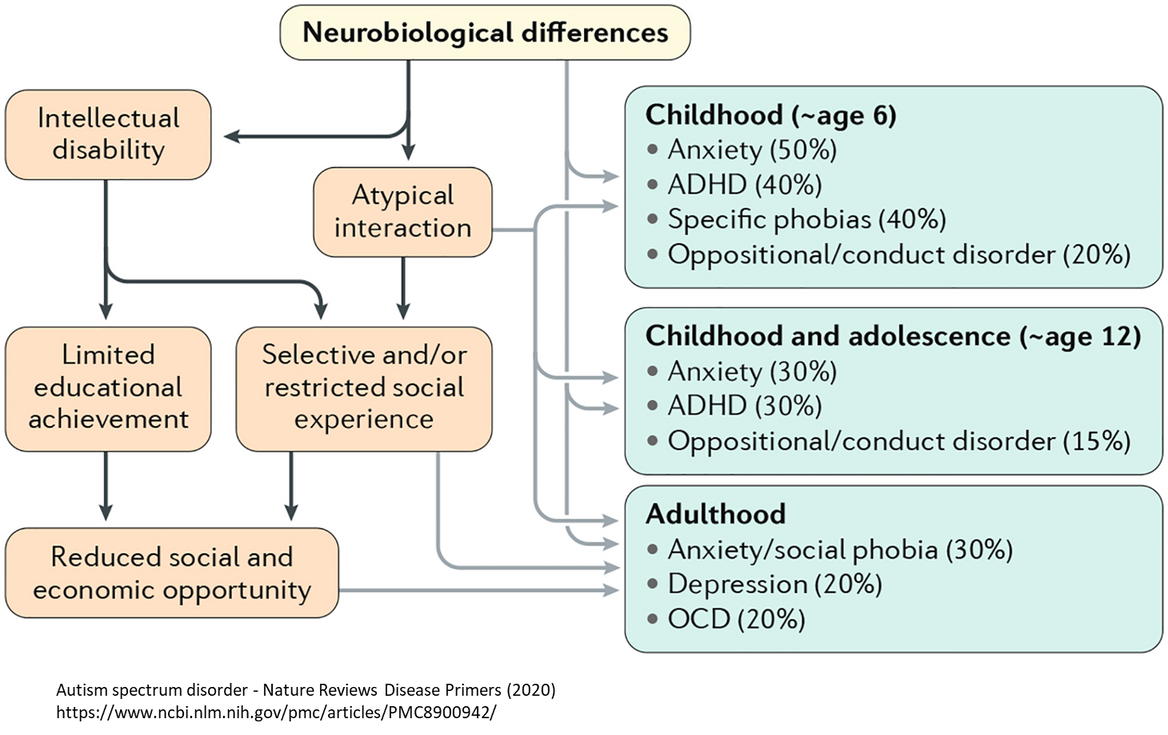
How Neurobiological Differences May Shape Long-Term Outcomes
Neurobiological differences may affect learning, behavior, social experience, and long-term wellbeing across childhood and adulthood. A broader developmental perspective helps explain why autism often overlaps with emotional, behavioral, and functional challenges at different life stages.
Microglia, Synapses, and Brain Development
Visual references can help explain why microglia and synaptic pruning are receiving growing attention in discussions around autism, neurodevelopment, and brain homeostasis.
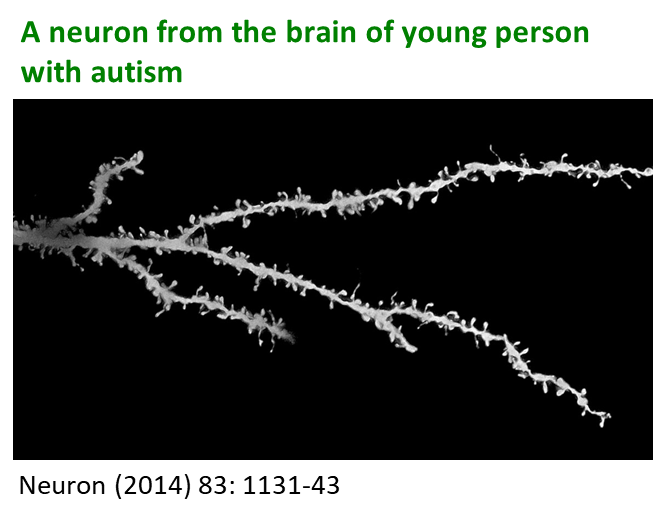
Neuronal Structure
Differences in synaptic density and neuronal organization are part of the broader discussion around autism and altered brain development.
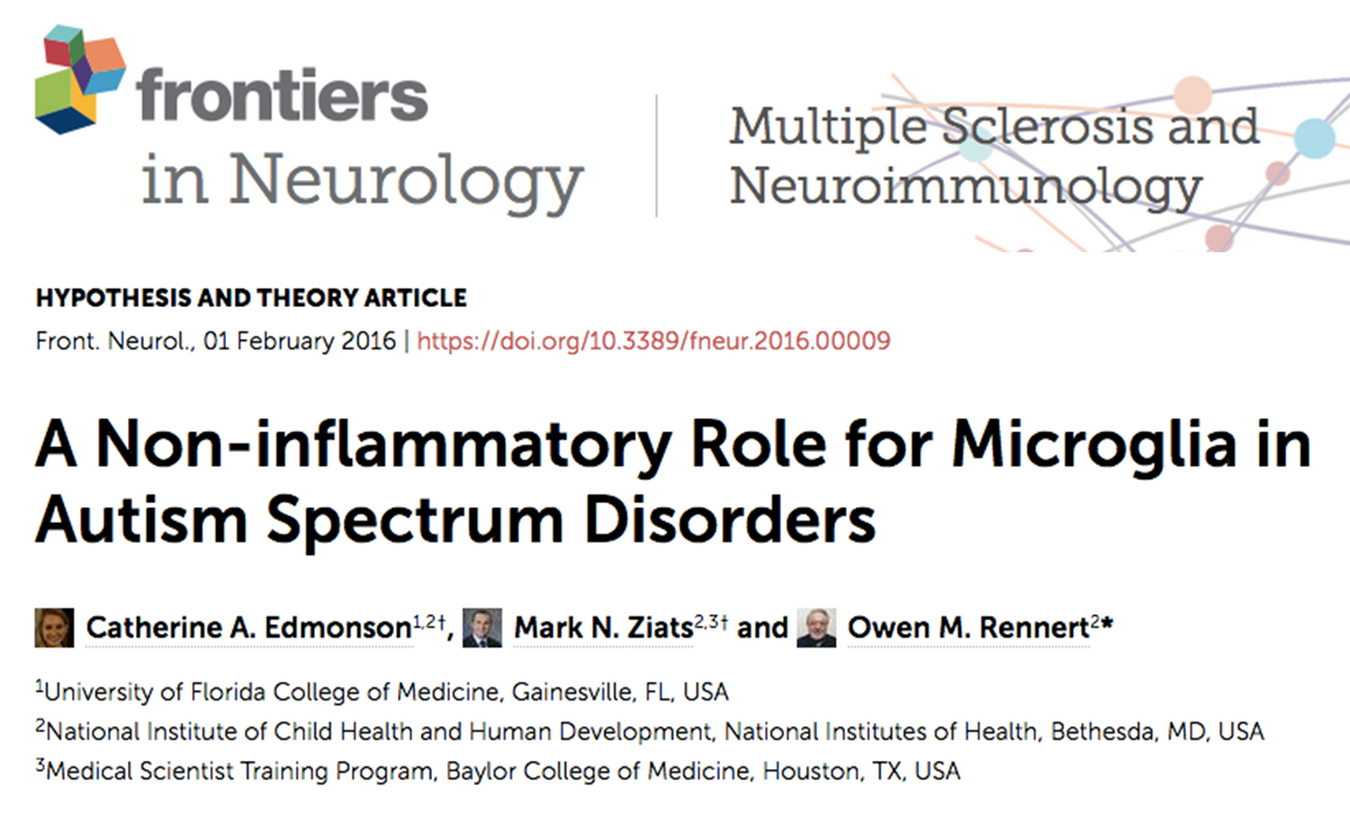
Microglia in Autism
Research has explored the role of microglia beyond inflammation alone, including their role in neural maintenance and developmental refinement.
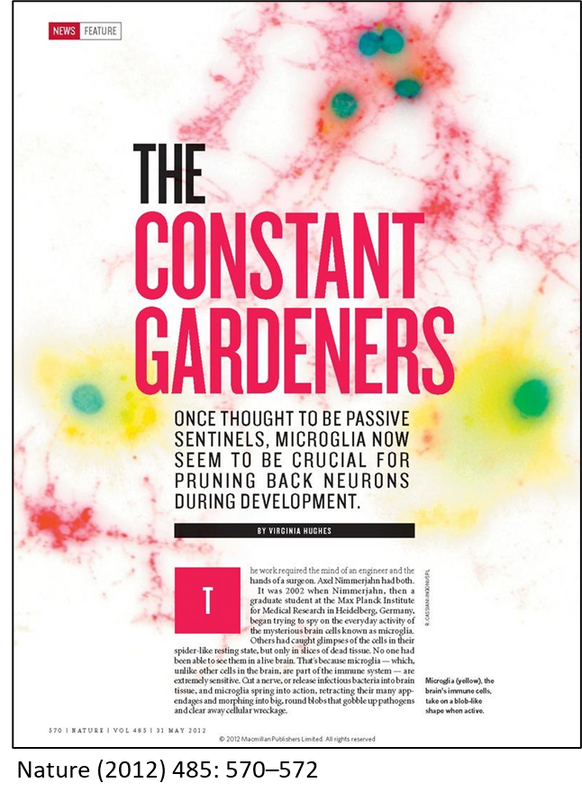
The “Constant Gardeners”
Microglia are often described as the brain’s gardeners because they help prune and organize neural networks during development.
The Role of Microglia in Autism
Microglia are the brain’s immune cells and the resident macrophages of the central nervous system. They do far more than respond to infection. They also help shape the developing brain by regulating inflammation, supporting homeostasis, and pruning excess synapses so that neural networks become more efficient and organized.
How Microglial Dysfunction May Contribute
One emerging hypothesis is that slower or altered microglial pruning may leave the brain with too many synaptic connections, affecting how neural circuits communicate.
- Sensory overload and processing difficulties
- Challenges in social interaction
- Repetitive behaviors and restricted interests
Why Neuroinflammation Matters
Neuroinflammation may change how microglia perform their normal, non-inflammatory roles. This may affect communication between the immune system and the brain, especially during key stages of development.
- Immune signaling may influence neurological activity
- Chronic inflammatory load may reduce system stability
- Supporting regulation may be part of a broader approach
Supporting Microglia, Immunity, and Brain Homeostasis
MAF is being explored for its role in immune modulation and internal balance. From this perspective, its relevance lies not in targeting outward symptoms directly, but in supporting systems that may influence brain function more broadly.
MAF may help support macrophage and microglial activity, assist the regulation of inflammatory responses, and promote a more balanced internal environment. In a condition where brain function and immune balance are deeply connected, this whole-body perspective may be especially meaningful.
Targeting the Blood–Brain Barrier
The blood–brain barrier plays a critical role in protecting the brain from harmful substances, while maintaining a stable internal environment for neural function.
Microglia, the brain’s resident immune cells, are closely involved in maintaining this barrier and supporting its integrity. They help monitor damage, regulate inflammation, and contribute to repair processes within the central nervous system.
When microglial function becomes dysregulated, it may contribute to neuroinflammation and broader disruption of brain homeostasis — a mechanism increasingly discussed in neurodevelopmental and neurological conditions.
Looking Beyond Labels
The relationship between autism, microglia, neurodevelopment, and immune balance is still an emerging field. Even so, it opens the door to a broader and more integrated way of thinking about support: one that includes brain health, immune regulation, and the body’s ability to maintain homeostasis.
Support Balance
A more regulated internal environment may help support resilience, clarity, and overall system stability.
Reduce Burden
Reducing inflammatory and immune stress may be a meaningful part of supporting neurological wellbeing.
Respect Complexity
Every individual is different. A thoughtful approach should reflect the complexity of autism rather than oversimplify it.
Explore a Broader Perspective on Autism
By looking at the relationship between brain development, microglial function, immune regulation, and inflammation, we may open the door to a more complete understanding of autism and a more supportive view of care.
Watch the Perspective Behind This Page
This video introduces the broader discussion around autism, immune balance, brain function, and the potential relevance of MAF in that conversation.