
Telomere Support for Healthy Cellular Aging
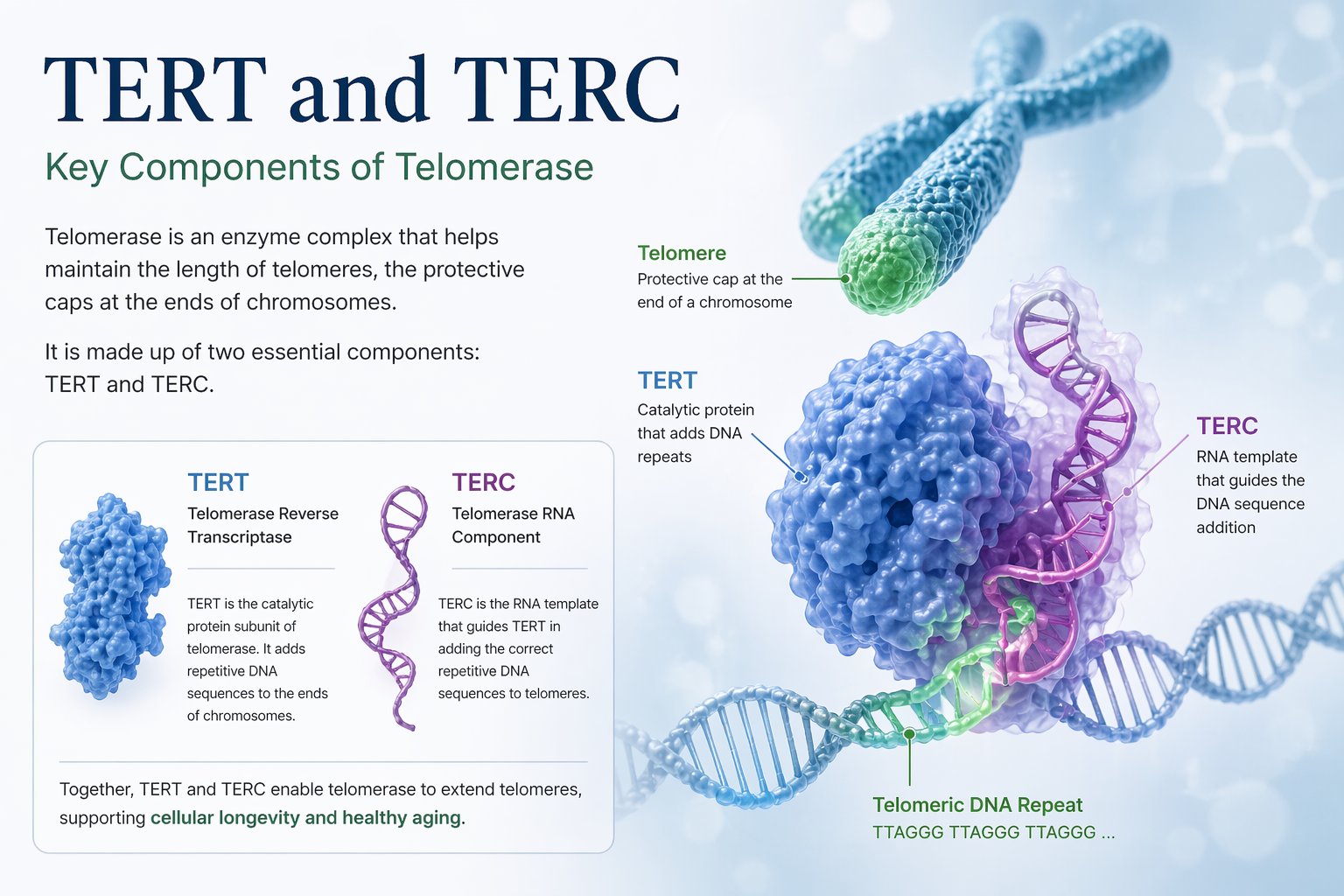
Telomeres help protect the ends of chromosomes and are closely linked to how cells age over time. This page focuses specifically on telomere science, telomerase-related genes, and research connected to Dietary MAF (D-WP).
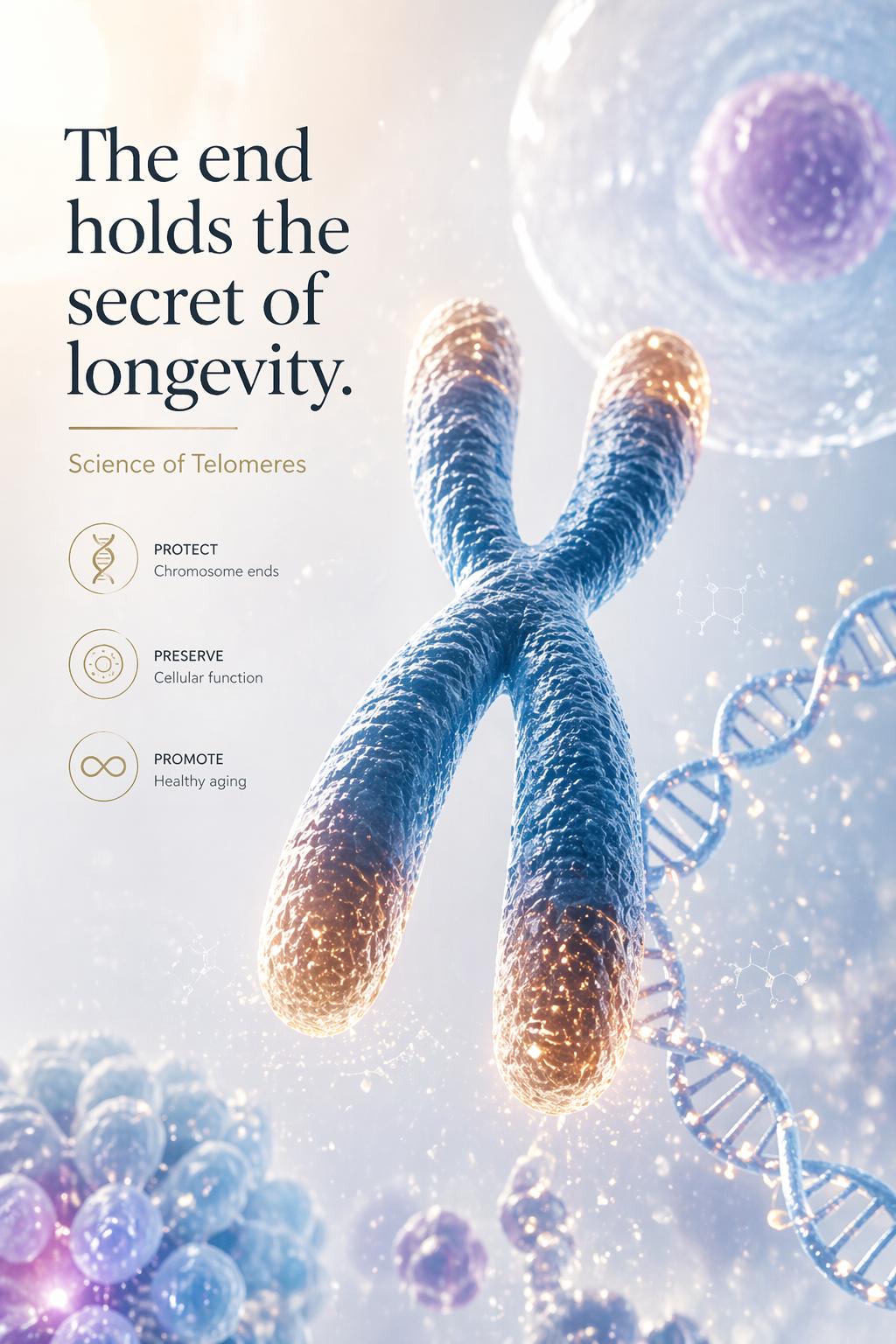
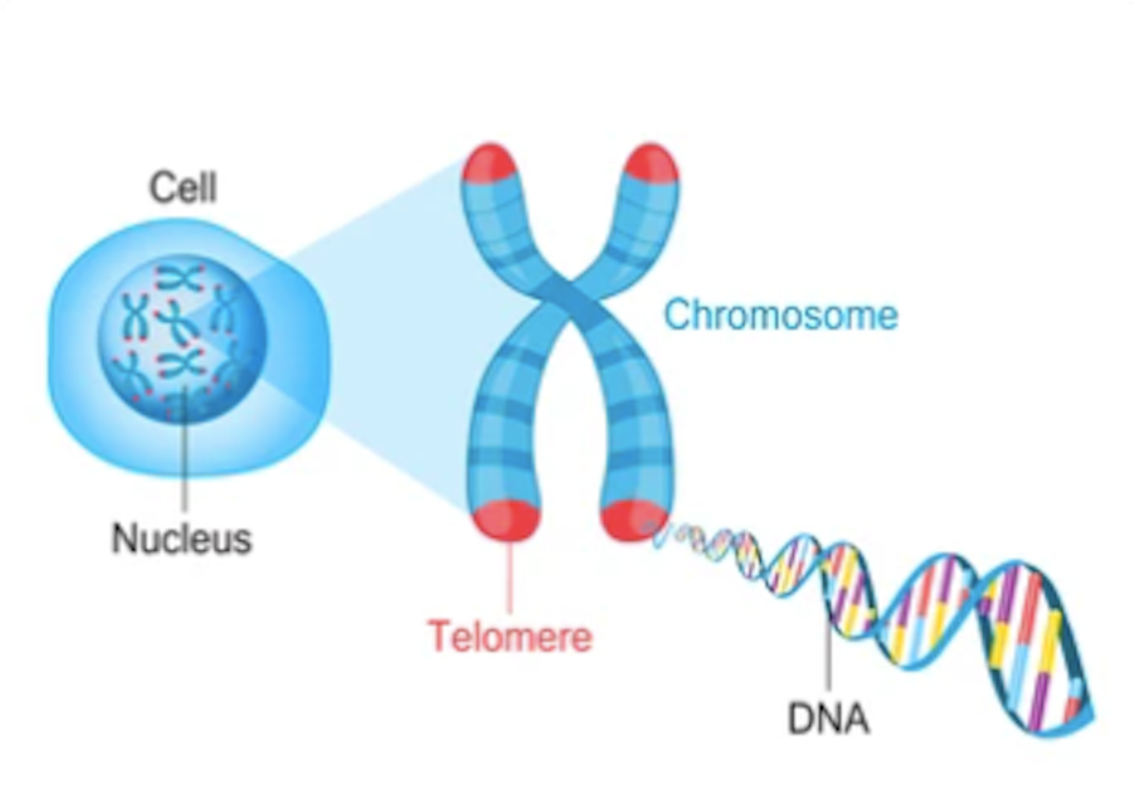
Protective caps at the ends of chromosomes
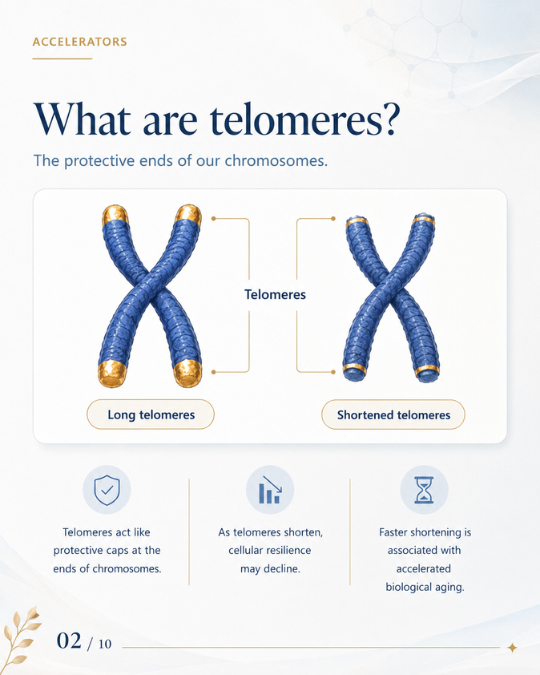
Telomeres are protective structures located at the ends of chromosomes. Each time a cell divides, telomeres gradually shorten.
When telomeres become too short, cells may lose their ability to divide efficiently, repair properly, or maintain healthy function over time.
This is why telomere length is widely studied as one of the important biomarkers connected to cellular aging and long-term resilience.
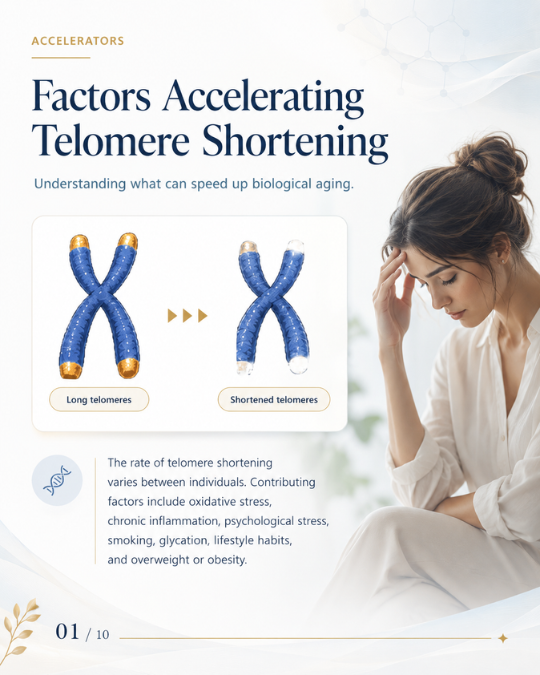
What can accelerate telomere shortening?
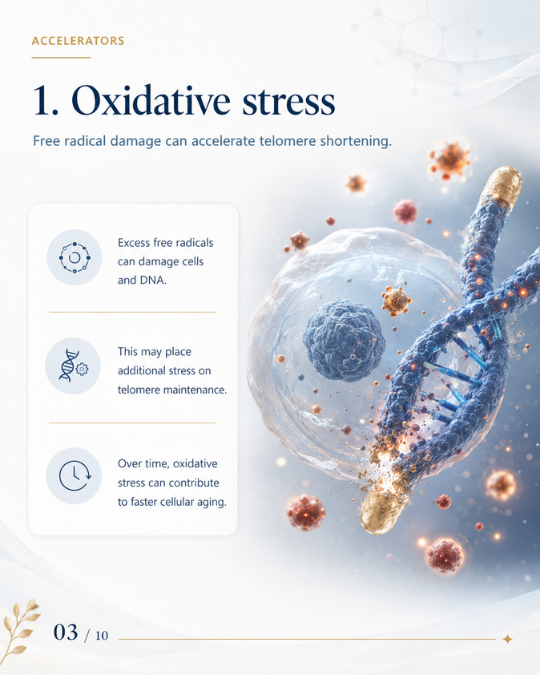
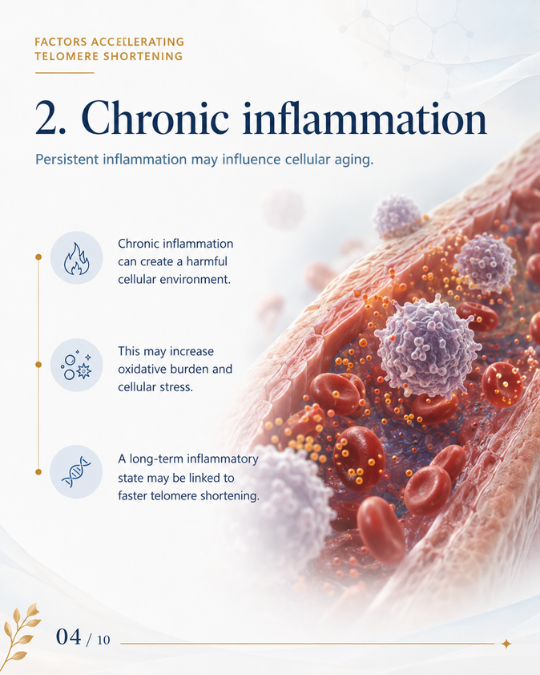
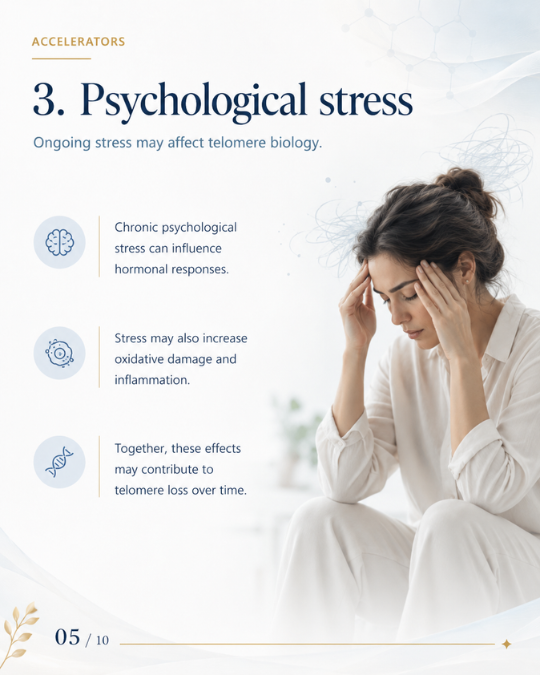
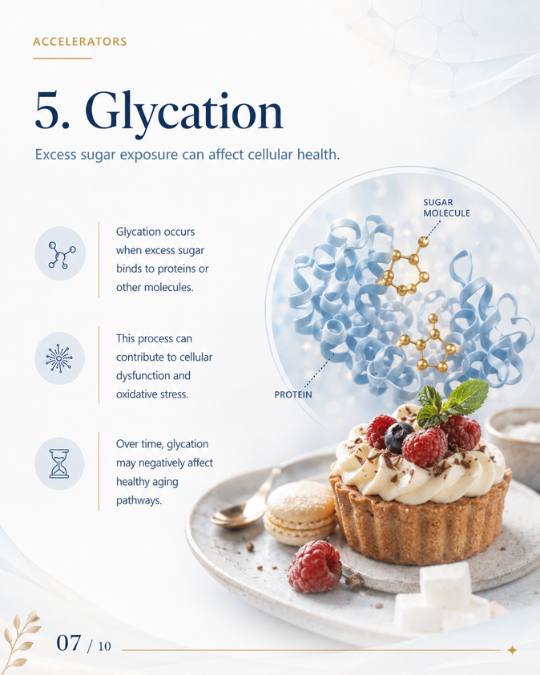
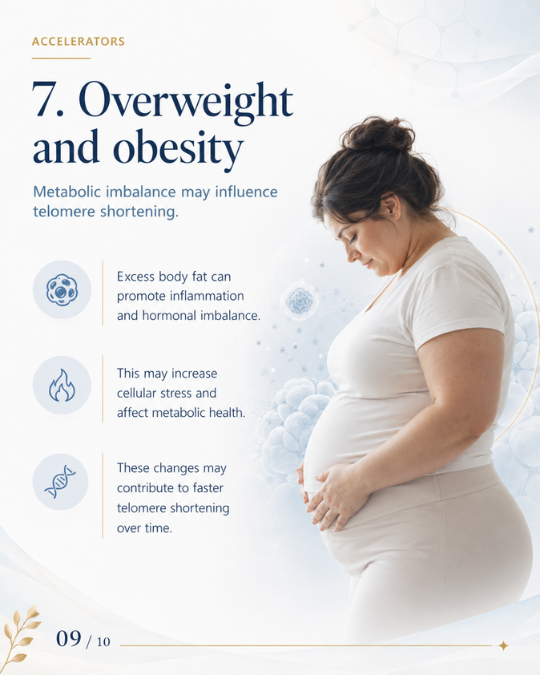
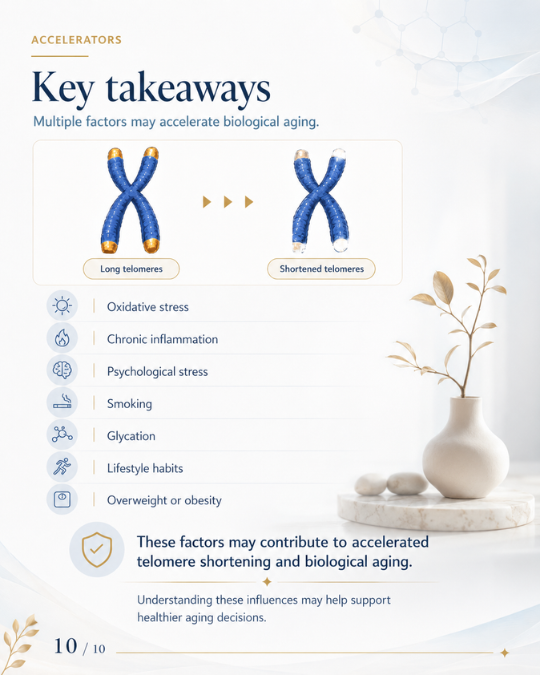
Telomeres naturally shorten with age, but several lifestyle and biological factors may influence the pace of this process.


How telomere shortening is linked to aging
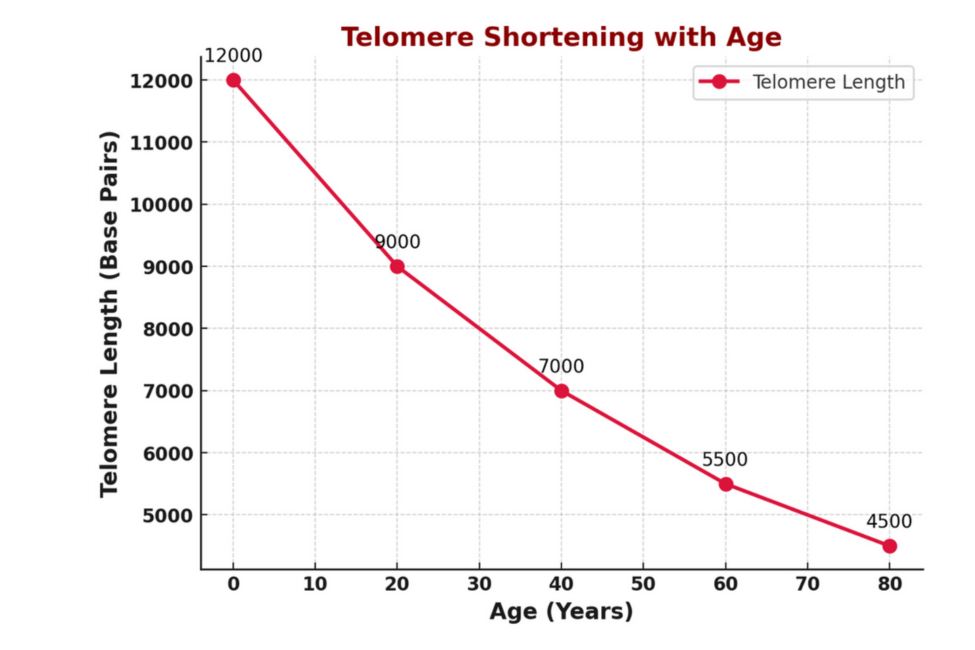
Telomere shortening over time
Each time a cell divides, a small portion of telomeric DNA is lost. Over time, telomeres can become too short to protect chromosome ends, contributing to genomic instability.
Cellular senescence and aging
Critically short telomeres can signal cells to stop dividing and enter a state known as senescence. This is one of the mechanisms linked to aging, as it may reduce the body’s ability to renew and repair tissues over time.
Why telomere support is a meaningful research focus
Telomere research focuses on how cells maintain stability, divide safely, and preserve function as part of the natural aging process.
Rather than targeting a single symptom, this approach looks at the underlying biological mechanisms connected to long-term cellular health.
- Helps support cellular stability over time
- Linked to healthy cell division and repair processes
- Widely studied as a key marker of biological aging
Learn more about telomere-related wellness support
Explore our product range and research pages to learn more about Dietary MAF and telomere-related pathways in healthy aging research.

Clinical Evidence
D-WP & Telomere Support
A clinical study examined whether oral intake of degalactosylated whey protein (D-WP), a formulation aligned with the concept behind MAF Triple, could influence peripheral blood telomere length and telomere-related gene expression.
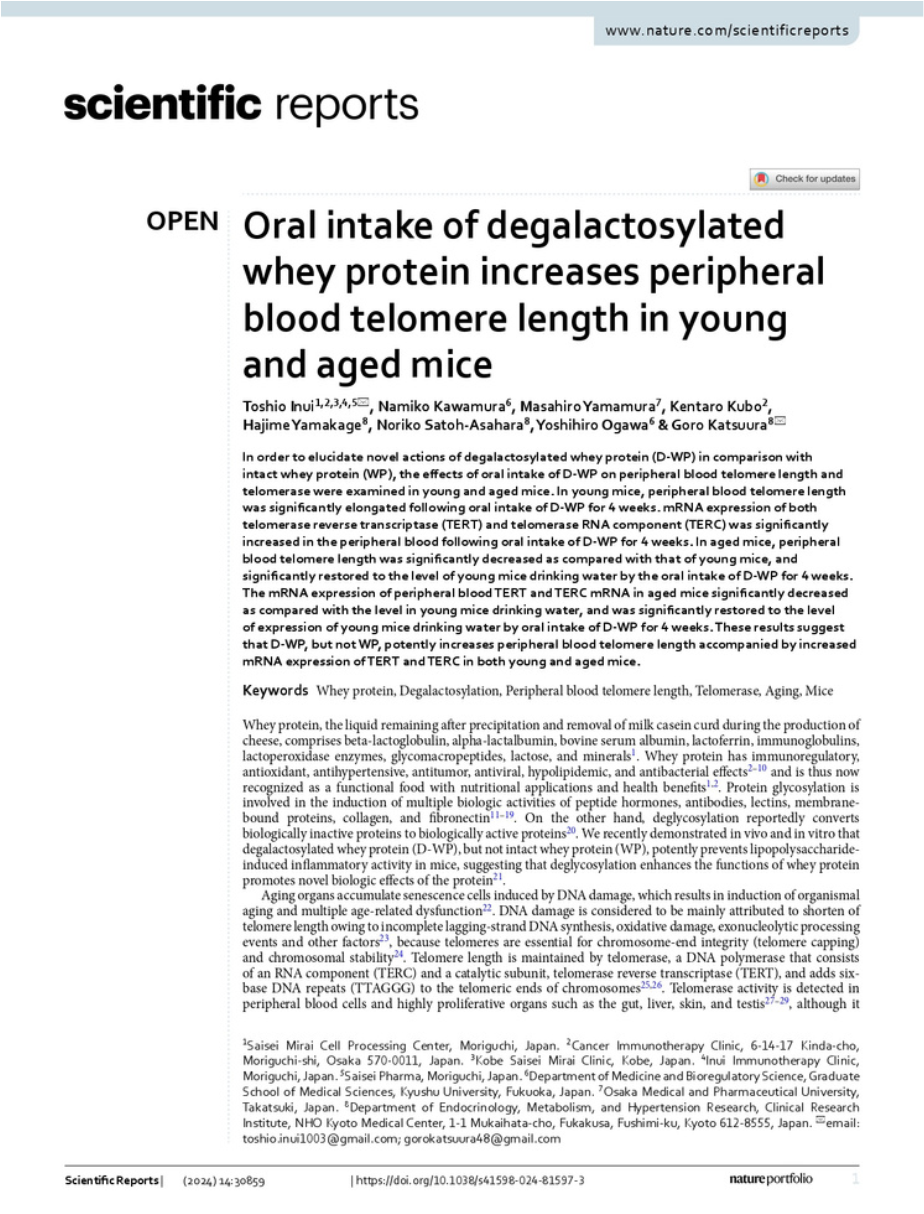
Findings suggest D-WP may help:
Designed to support cellular resilience and healthy aging pathways through telomere-related mechanisms.
View Full StudySource: PubMed
Phase 2 Clinical Trial in Japan
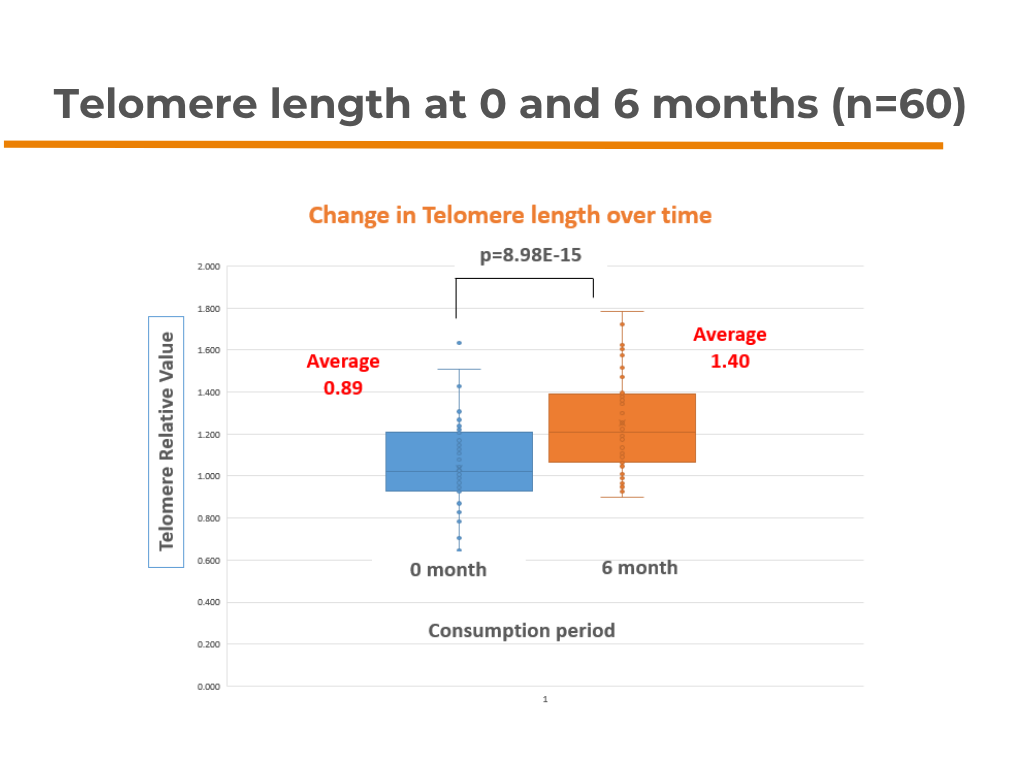
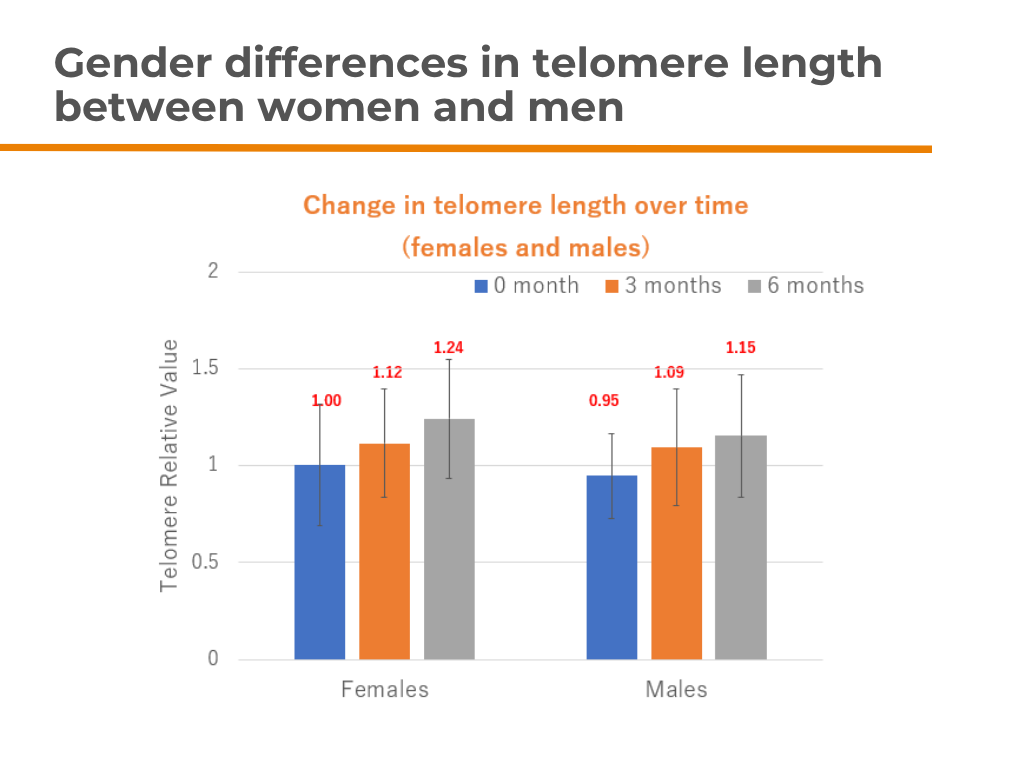
A multicenter observational study evaluated the effects of Dietary MAF on biomarkers related to cellular aging and telomere length in adults aged 40+.
- Study Objective: Evaluating the potential role of Dietary MAF in supporting cellular health and longevity
- Participants: 161 individuals
- 3 Months: Telomere length increased by 12%
- 6 Months: Telomere length increased by 23%
- Additional Observation: Favorable trends in biological age markers were observed
Ongoing research is currently being conducted to further explore the relationship between telomere-related pathways and long-term cellular health.