Featured Research
A curated selection of published studies exploring telomere biology, immune modulation, inflammation, cognition, and clinical outcomes.
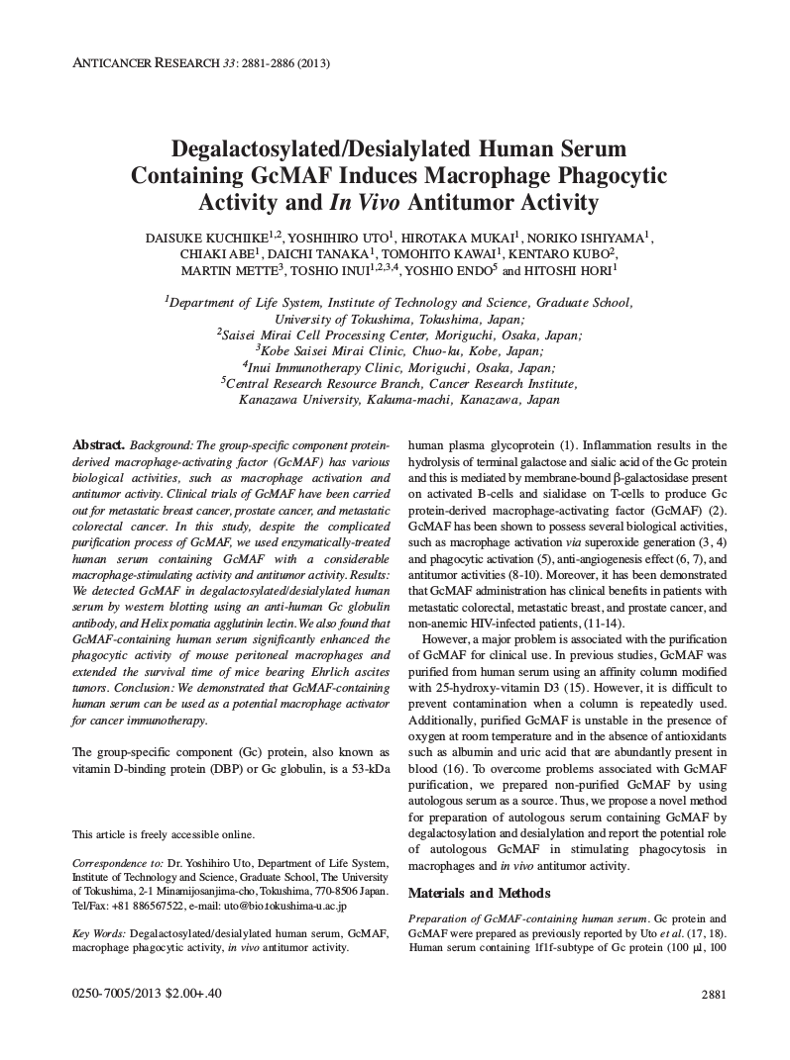
Telomere Length and Biological Aging
Research indicates that telomere shortening is closely linked to biological aging and increased disease risk, with inflammation and cellular stress contributing to accelerated telomere attrition.
Read Study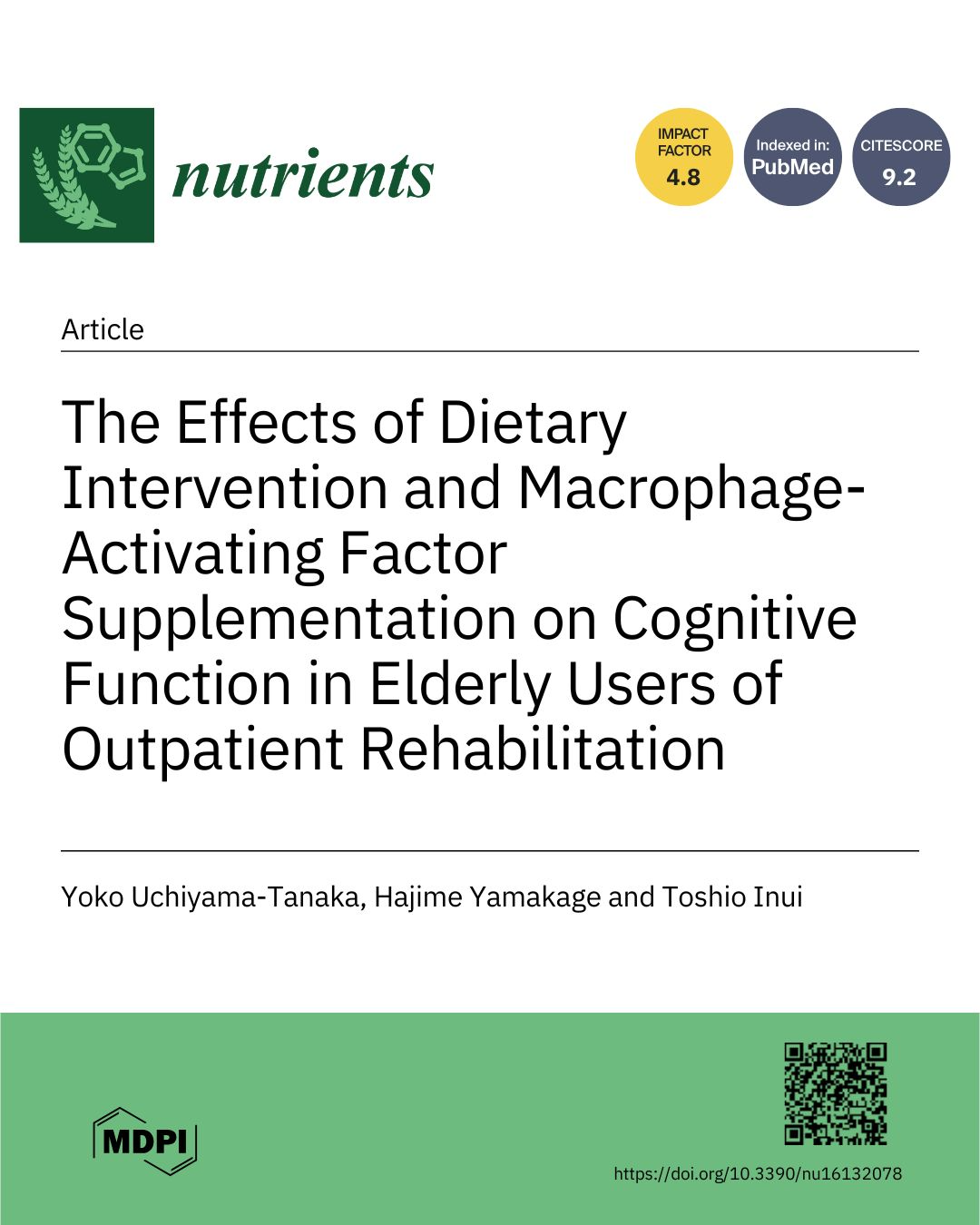
Immune Pathways and Cognitive Health
This study explores how immune-related pathways and inflammation may influence cognitive performance and contribute to age-related cognitive decline.
Read Study →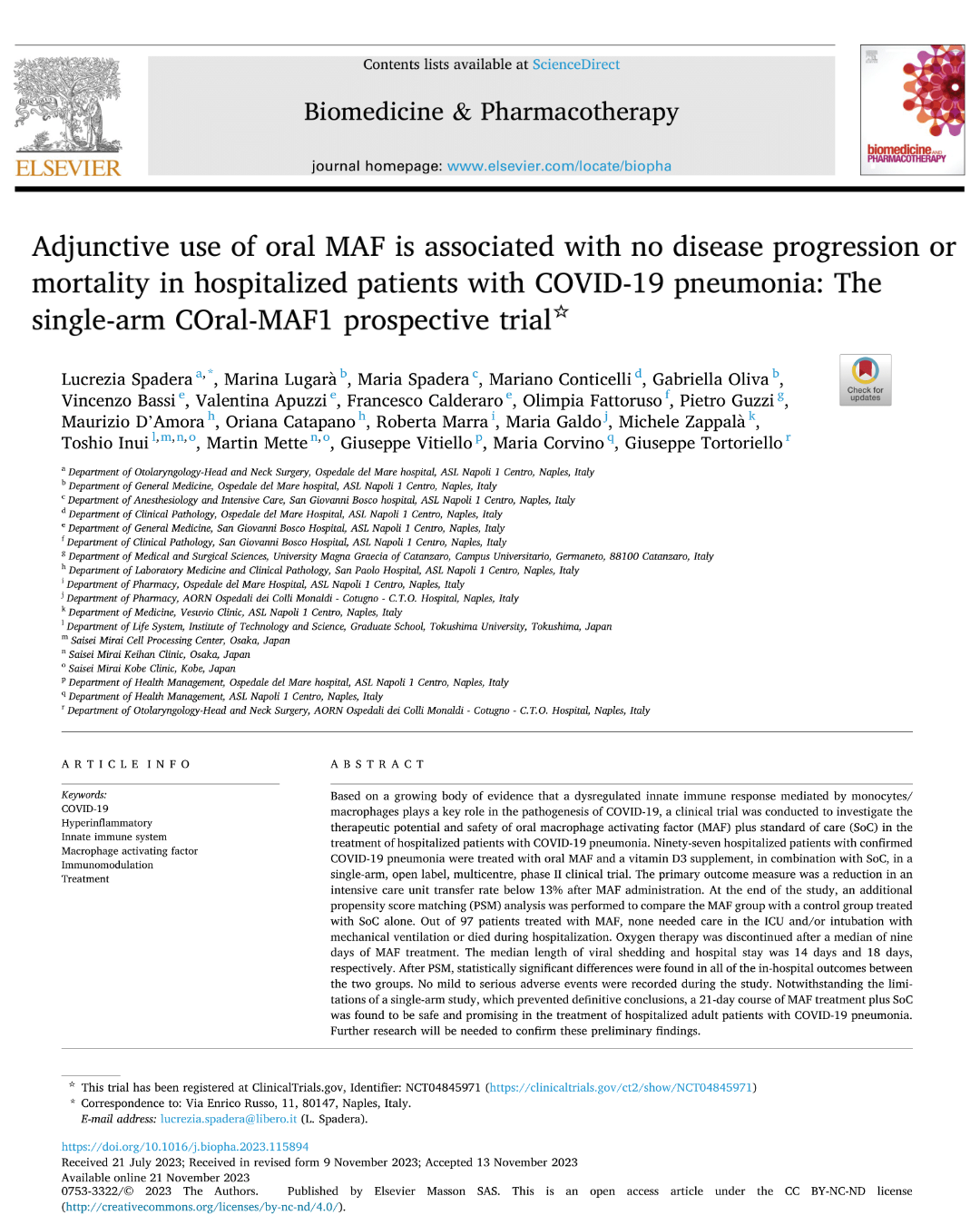
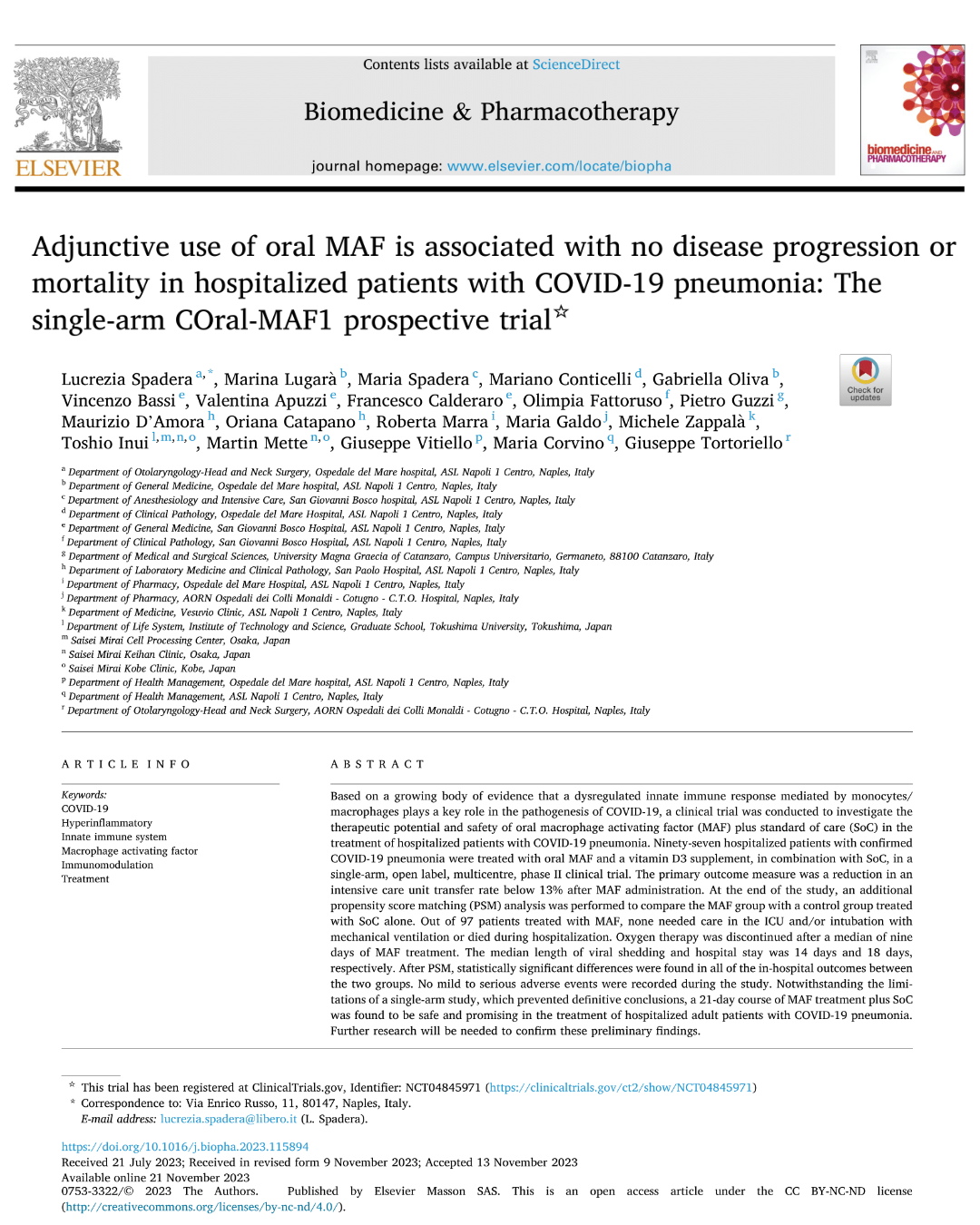
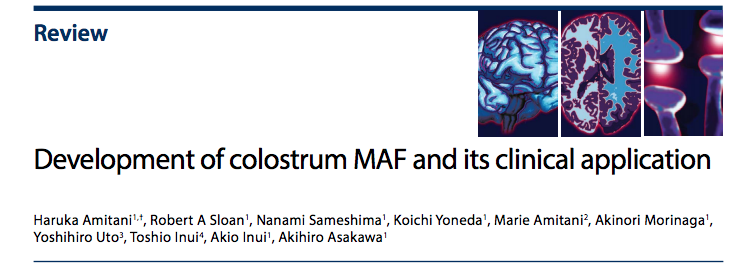
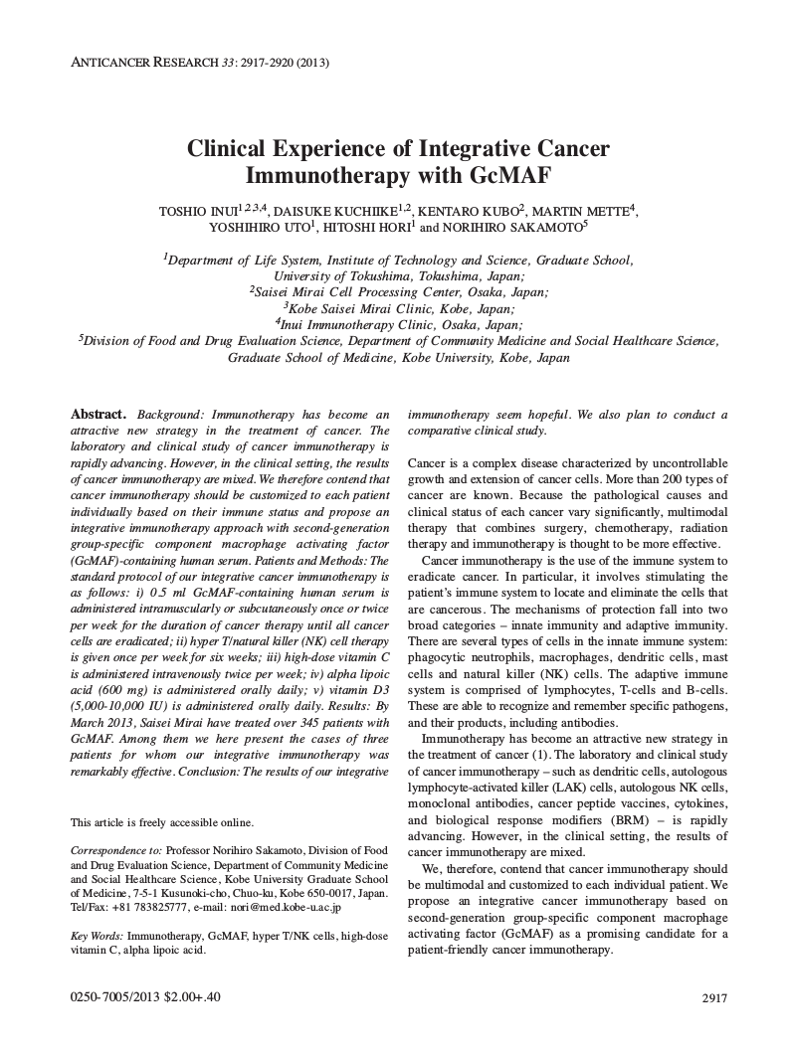
Oral MAF and Clinical Outcomes
A prospective trial evaluated oral MAF use alongside standard care, reporting supportive recovery outcomes and a favorable safety profile.
Read Study →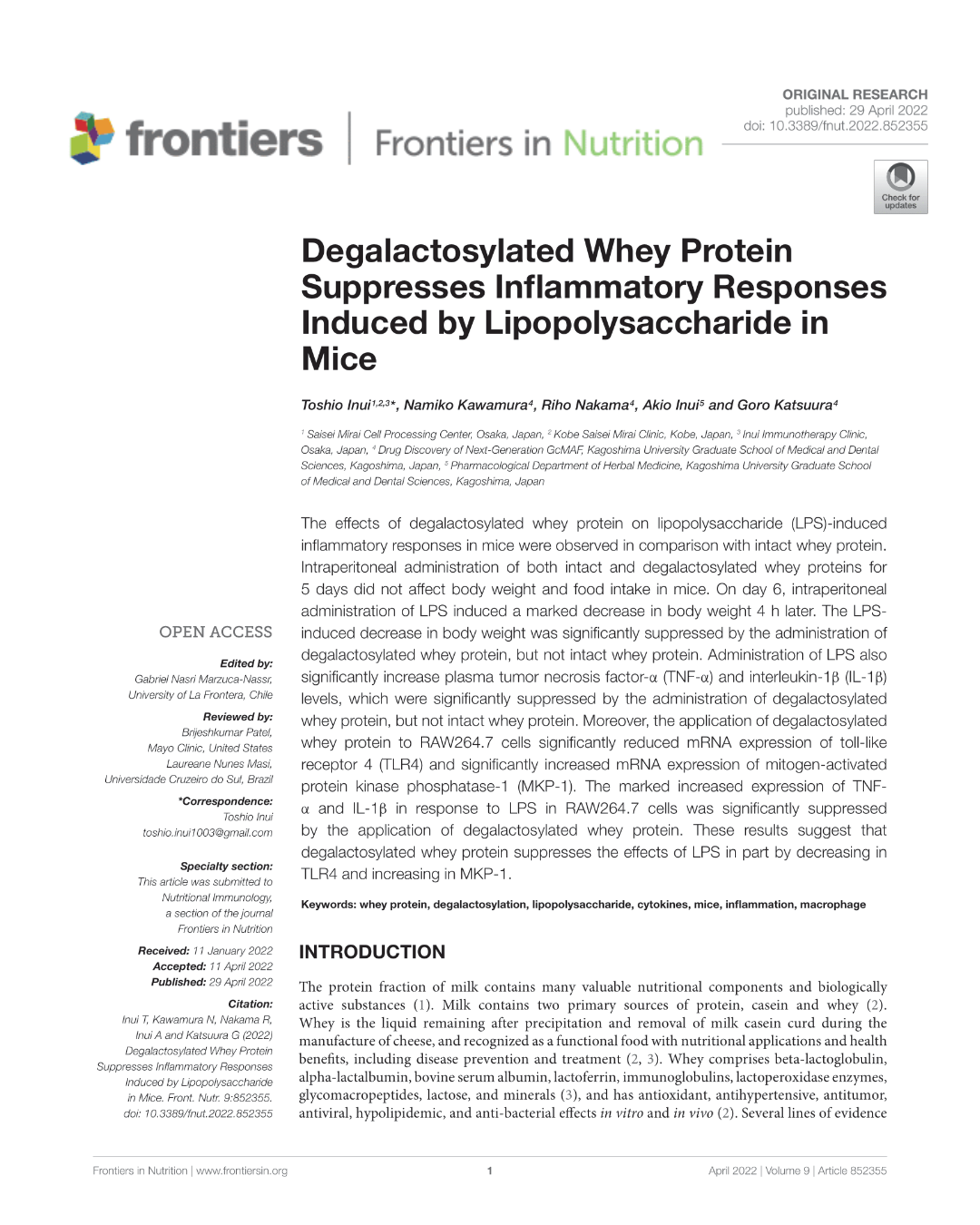
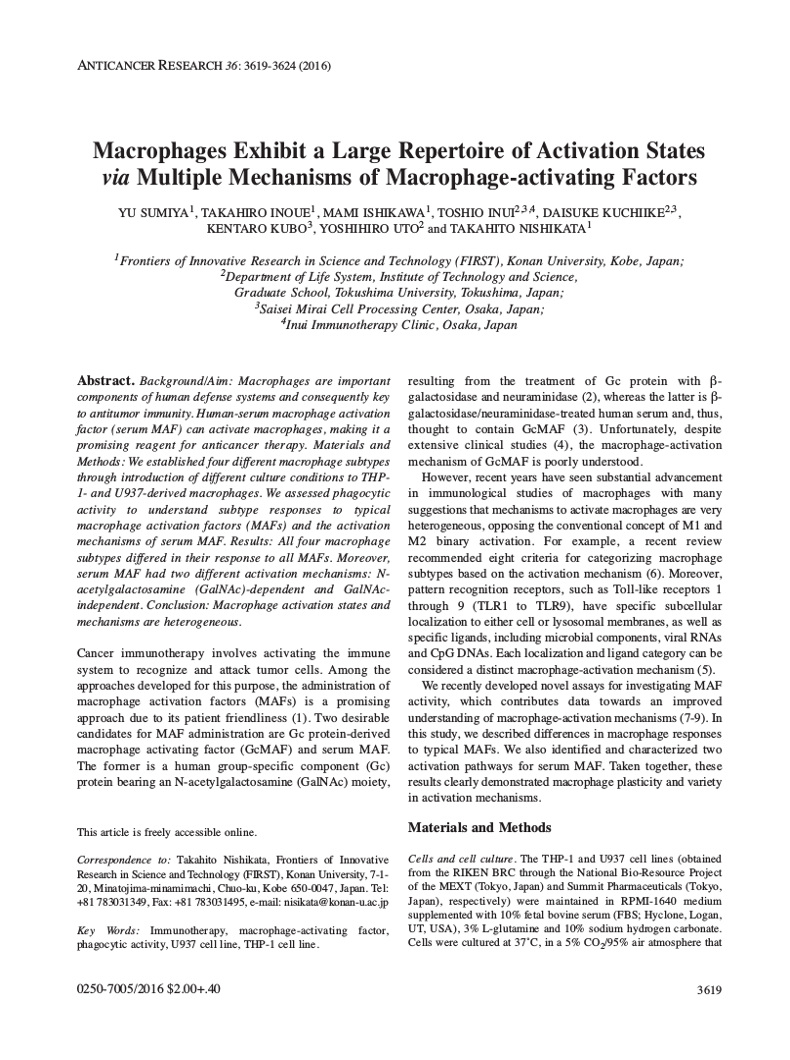
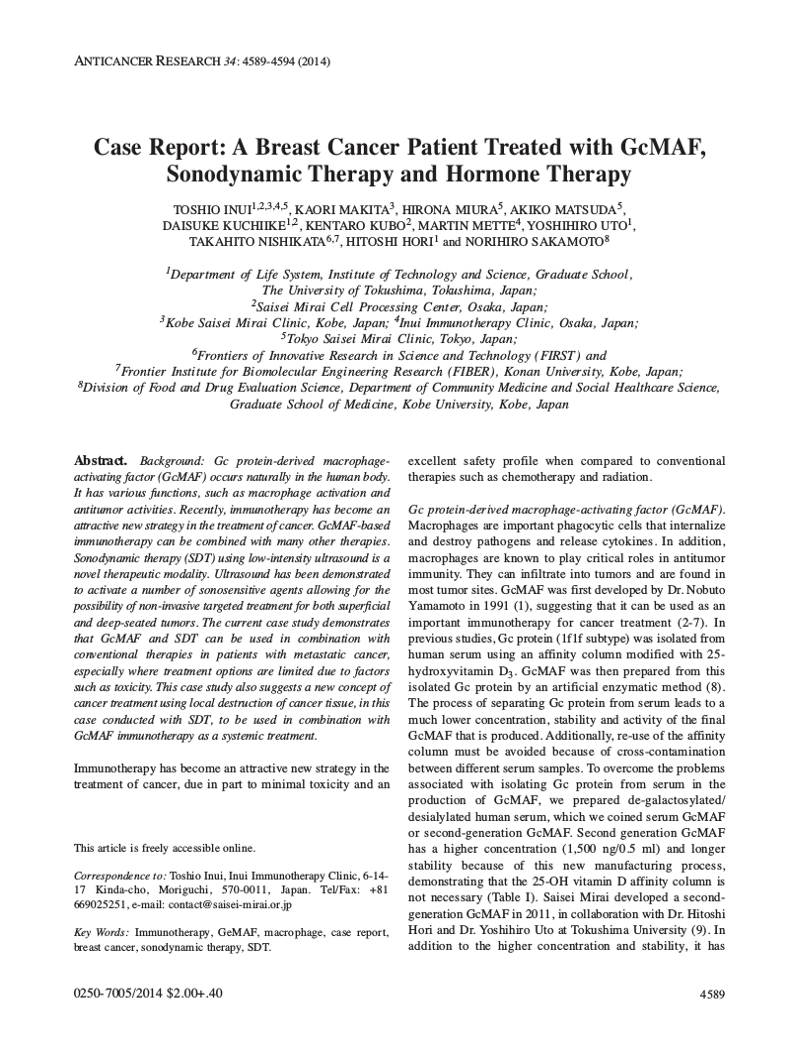
Immune Modulation and Inflammation
Findings suggest that whey-derived proteins may influence immune signaling and inflammatory markers, supporting their role in maintaining systemic balance.
Read Study →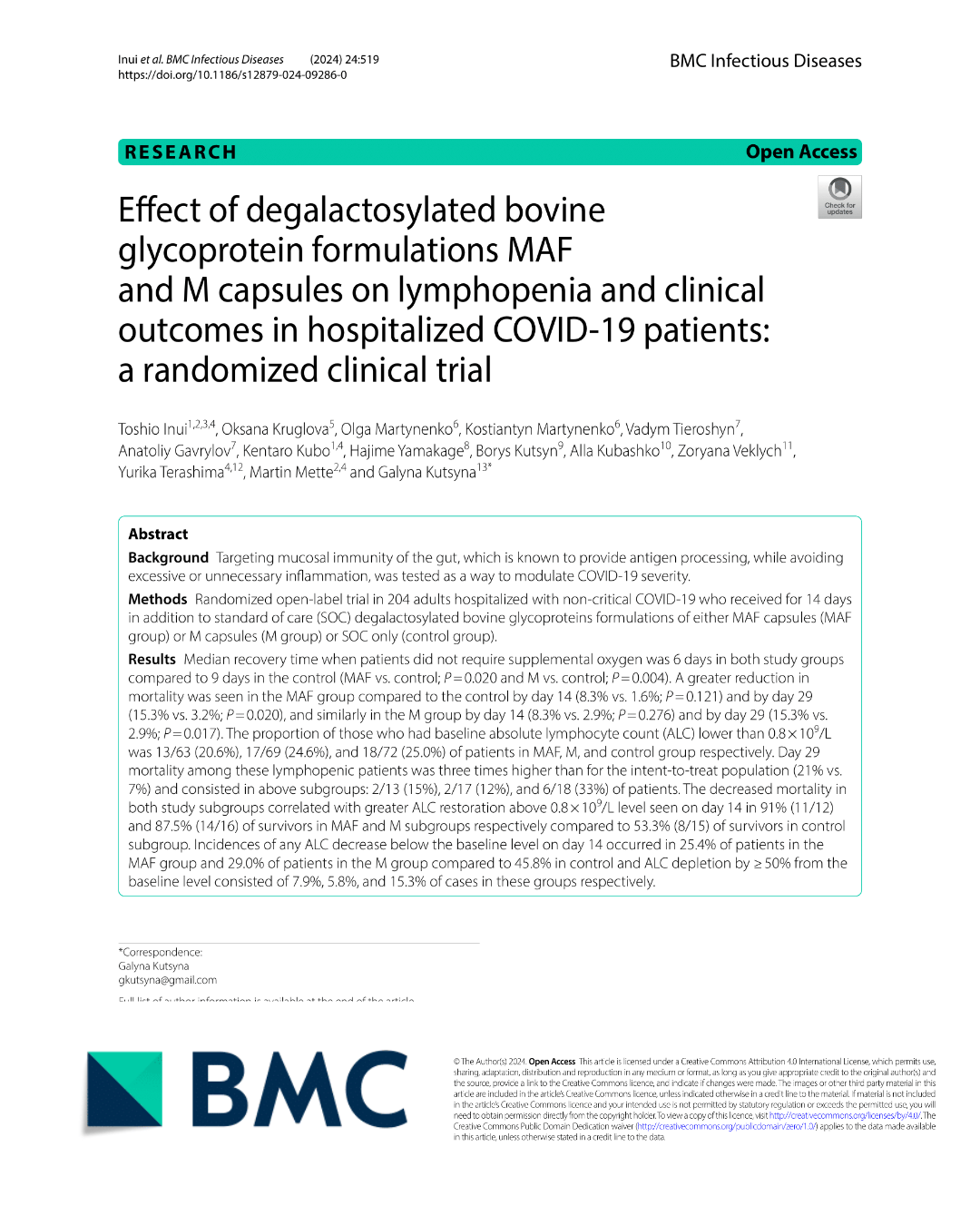
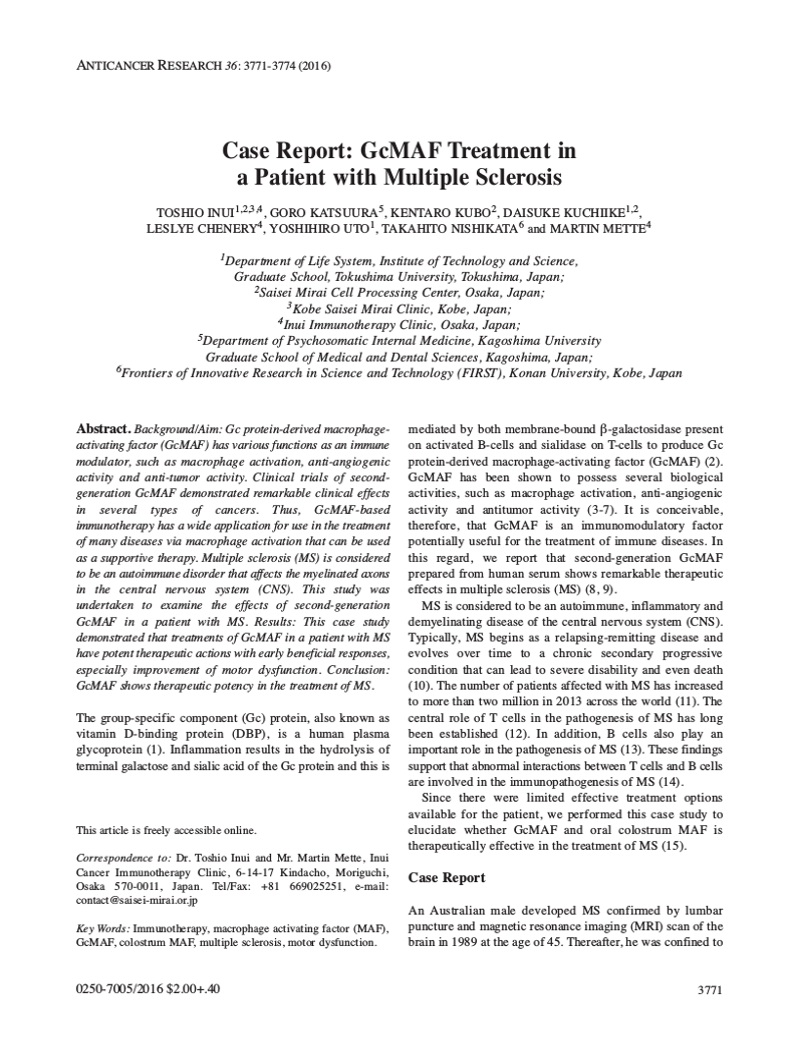
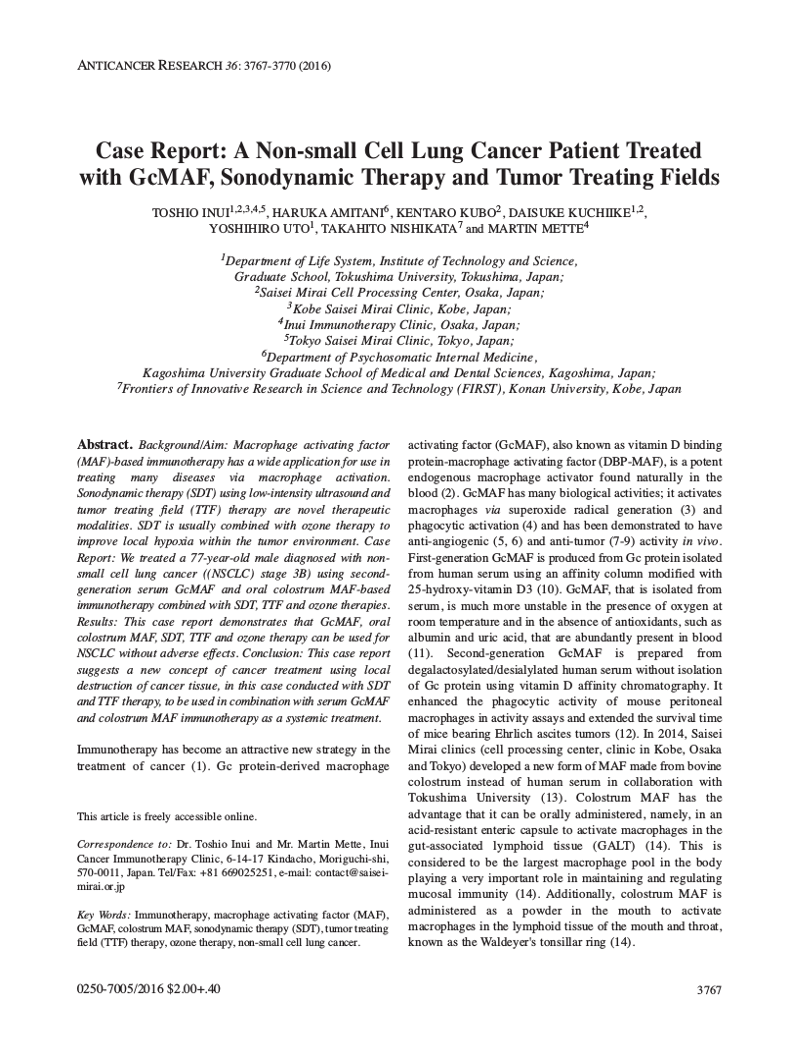
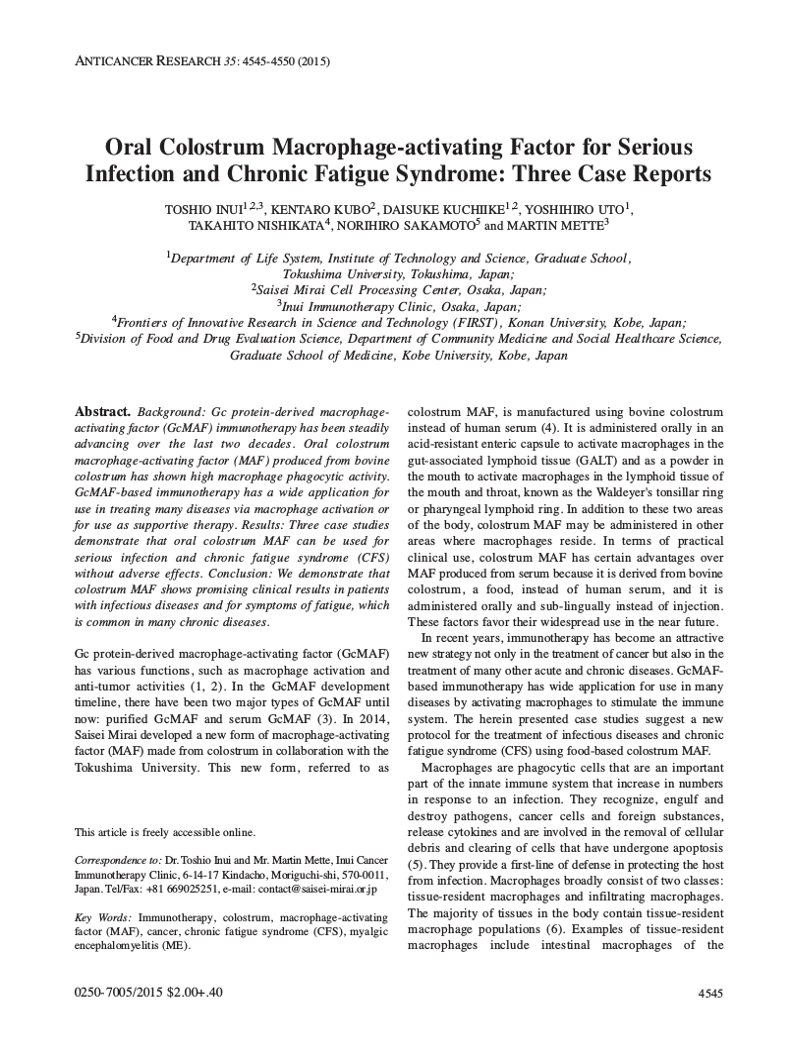
Immune Function and Clinical Outcomes
Clinical observations suggest that immune activity and biological markers such as telomere length may be associated with disease severity and recovery outcomes.
Read Study →Video Library
Explore science-based videos on immunity, aging, and longevity pathways.
Introduction to Immune and Longevity Science
Understanding Immune Activation
Exploring Longevity Pathways
FEATURED RESEARCH
Featured on Nature.com
Explore partner-content articles on regenerative medicine, nutrition, immune function and healthy ageing.
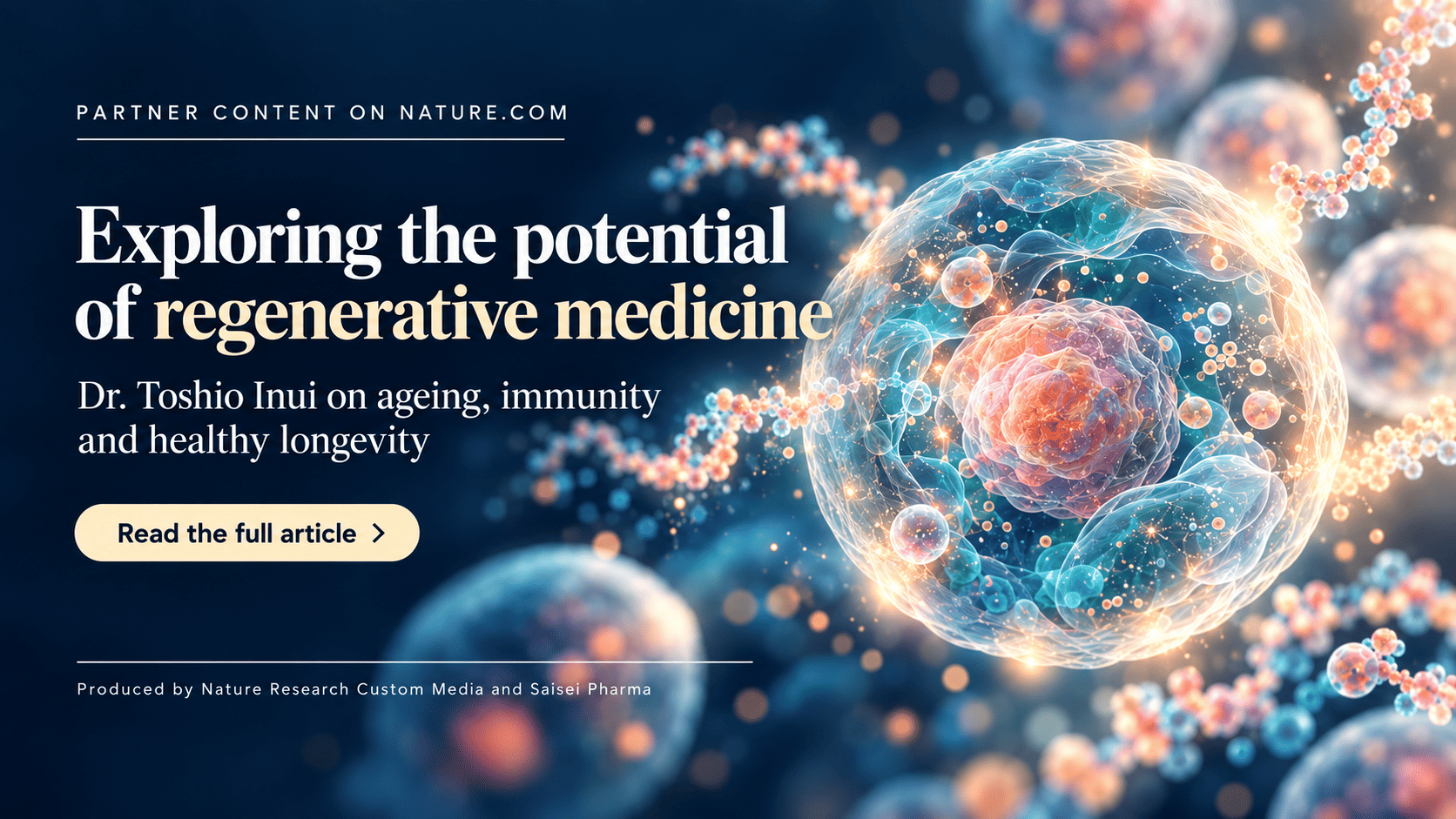
PARTNER CONTENT · SAISEI PHARMA
Exploring the Potential of Regenerative Medicine
Ageing research, biological age, telomeres and Klotho, and the potential of regenerative medicine.

PARTNER CONTENT · SPOTLIGHT NUTRITION
Exploring Links Between Nutrition & Longevity
Nutrition, immune-related proteins and research into healthy ageing and longevity.
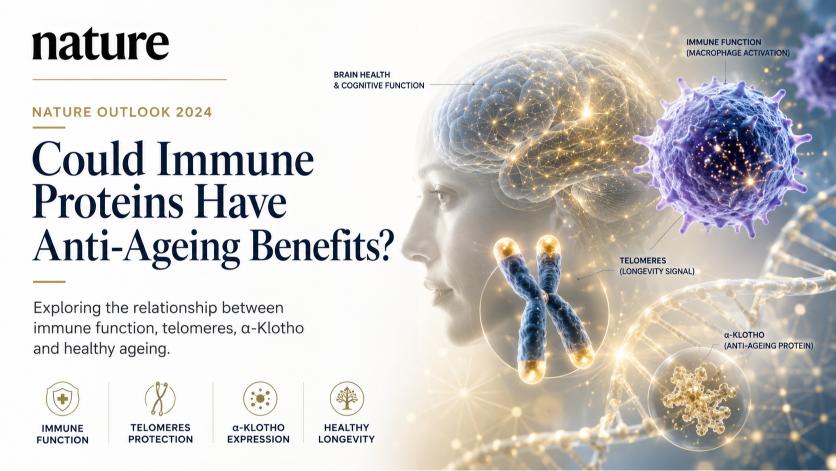
PARTNER CONTENT · AGEING IN JAPAN
Could Immune Proteins Have Anti-Ageing Benefits?
Immune-related proteins and their potential relevance to age-related changes and cognition.
These articles are partner content published on Nature.com.
Science Insights
Featured article exploring key longevity and cellular health concepts.

How Can You Protect Your Cells From Aging?
A science-focused article exploring cellular aging, resilience, and strategies to support long-term cell health and biological balance.
Read Article →Clinical Evidence
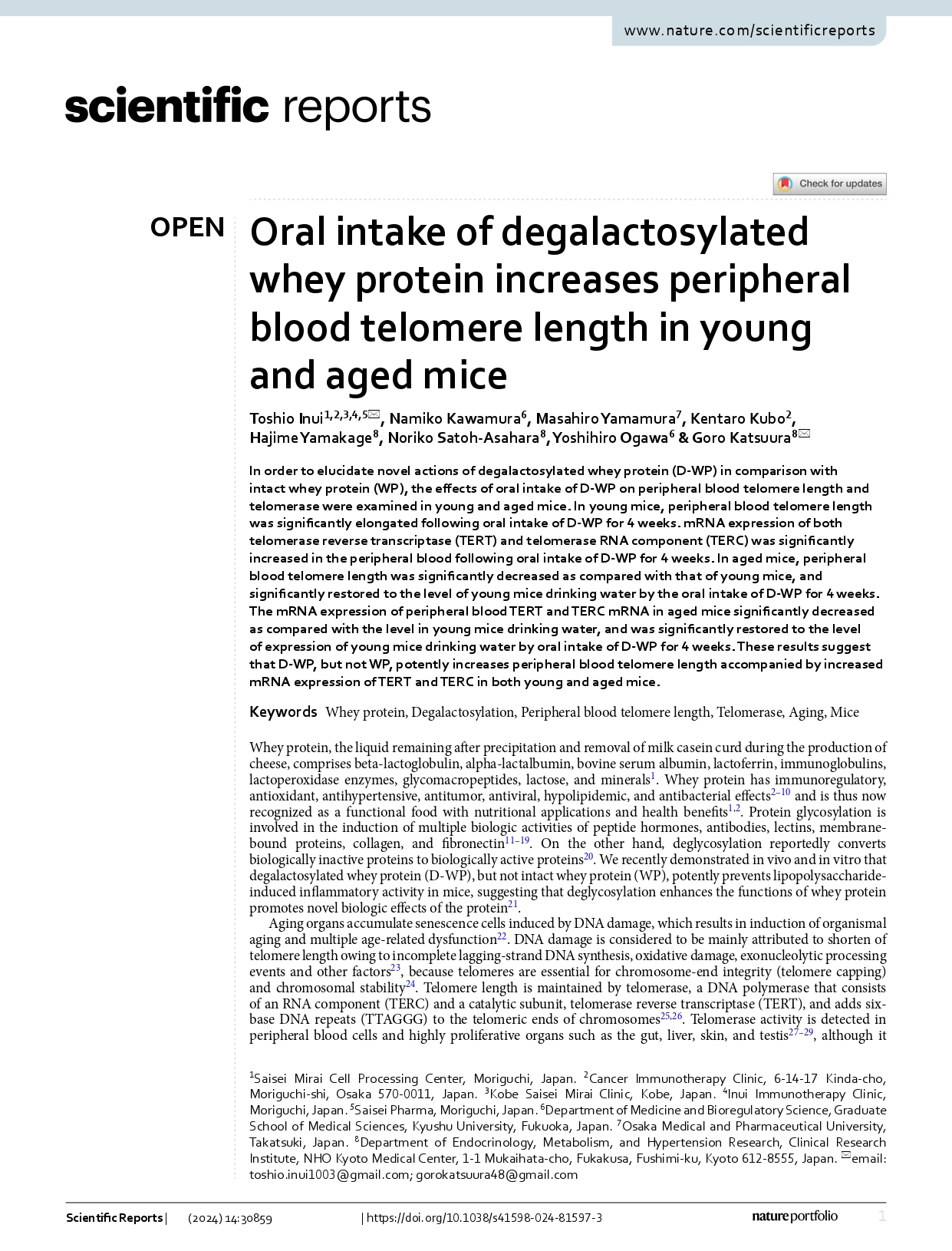
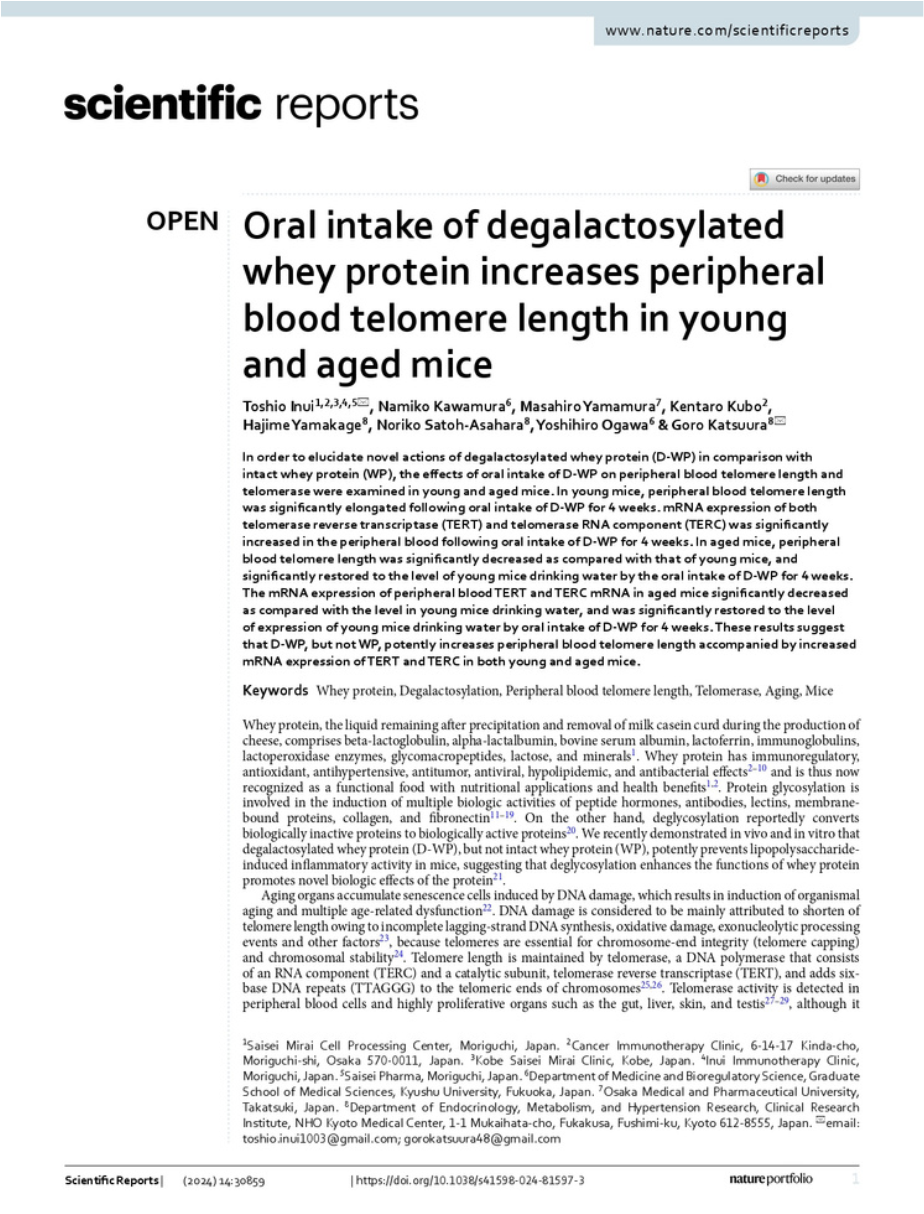
D-WP & Telomere Support
A clinical study examined whether oral intake of degalactosylated whey protein (D-WP), a formulation aligned with the concept behind MAF Triple, could influence peripheral blood telomere length and telomere-related gene expression.
Findings suggest D-WP may help:
Designed to support cellular resilience and healthy aging pathways through telomere-related mechanisms.
View Full StudySource: PubMed
Clinical Evidence
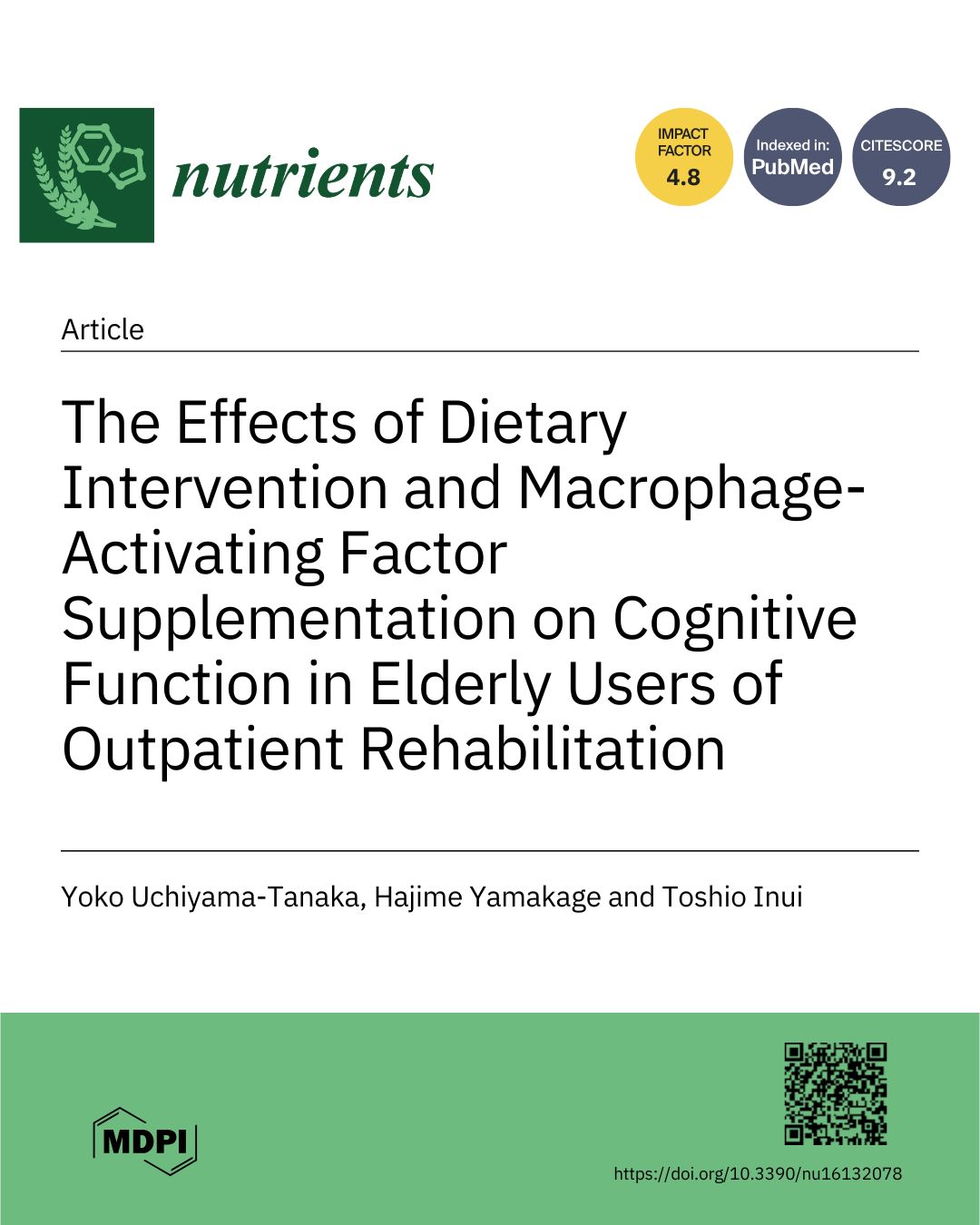
MAF & Cognitive Function Support
A clinical study in elderly rehabilitation patients examined how dietary intervention and MAF-related supplementation influence cognitive function, inflammation, and aging-related biomarkers.
Findings suggest this approach may help:
Designed to support brain health, immune balance, and longevity pathways through integrated nutritional and immune modulation strategies.
View Full StudySource: Nutrients (MDPI)
Clinical Evidence
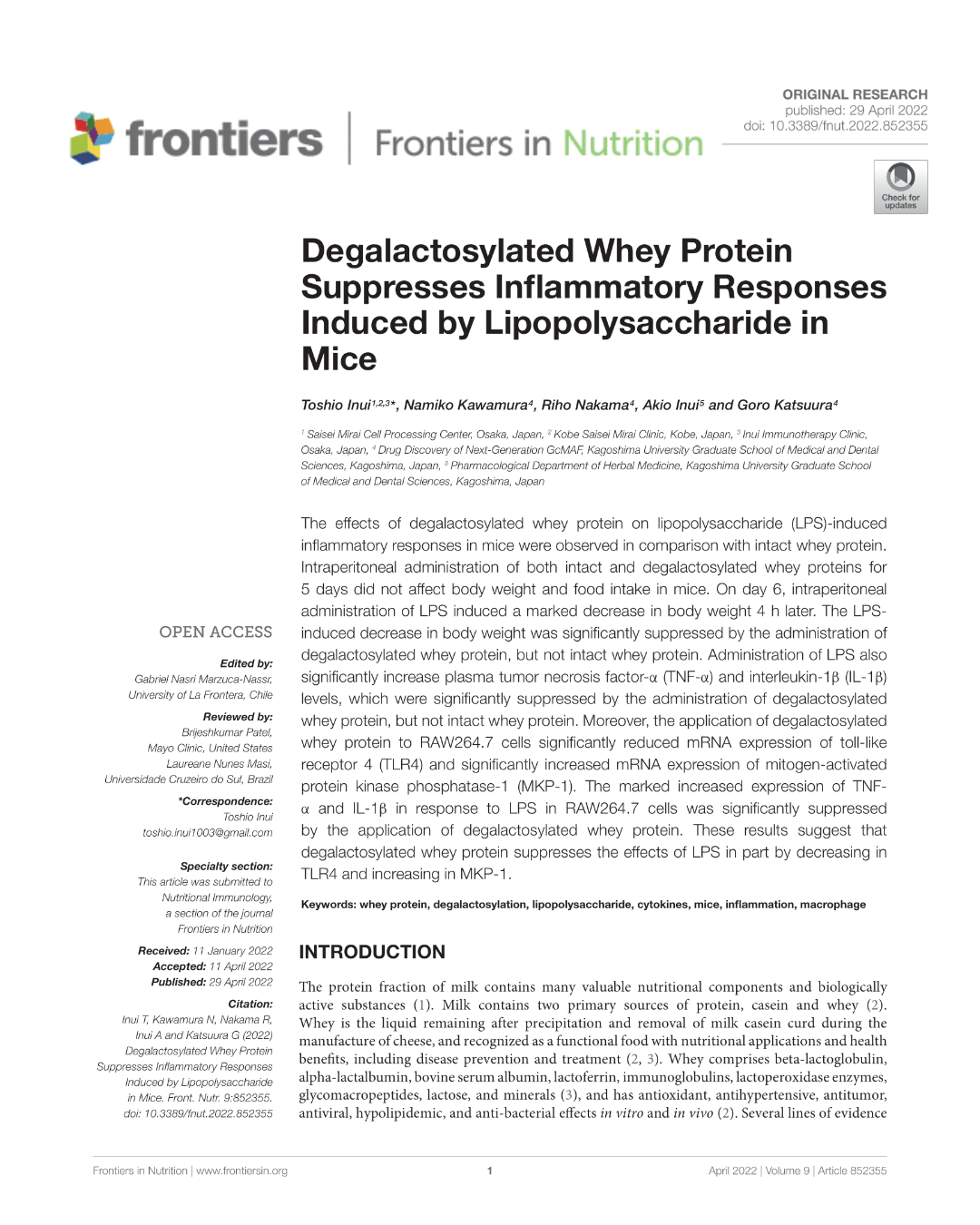
Dietary MAF & Immune Response
A randomized clinical study in patients with viral conditions examined how dietary MAF influences immune response, inflammation, and recovery, including mucosal (gut) immune pathways.
Results suggest dietary MAF may help:
Designed to support a balanced and resilient immune system — not overstimulation.
View Full StudySource: PubMed Central
Clinical Evidence
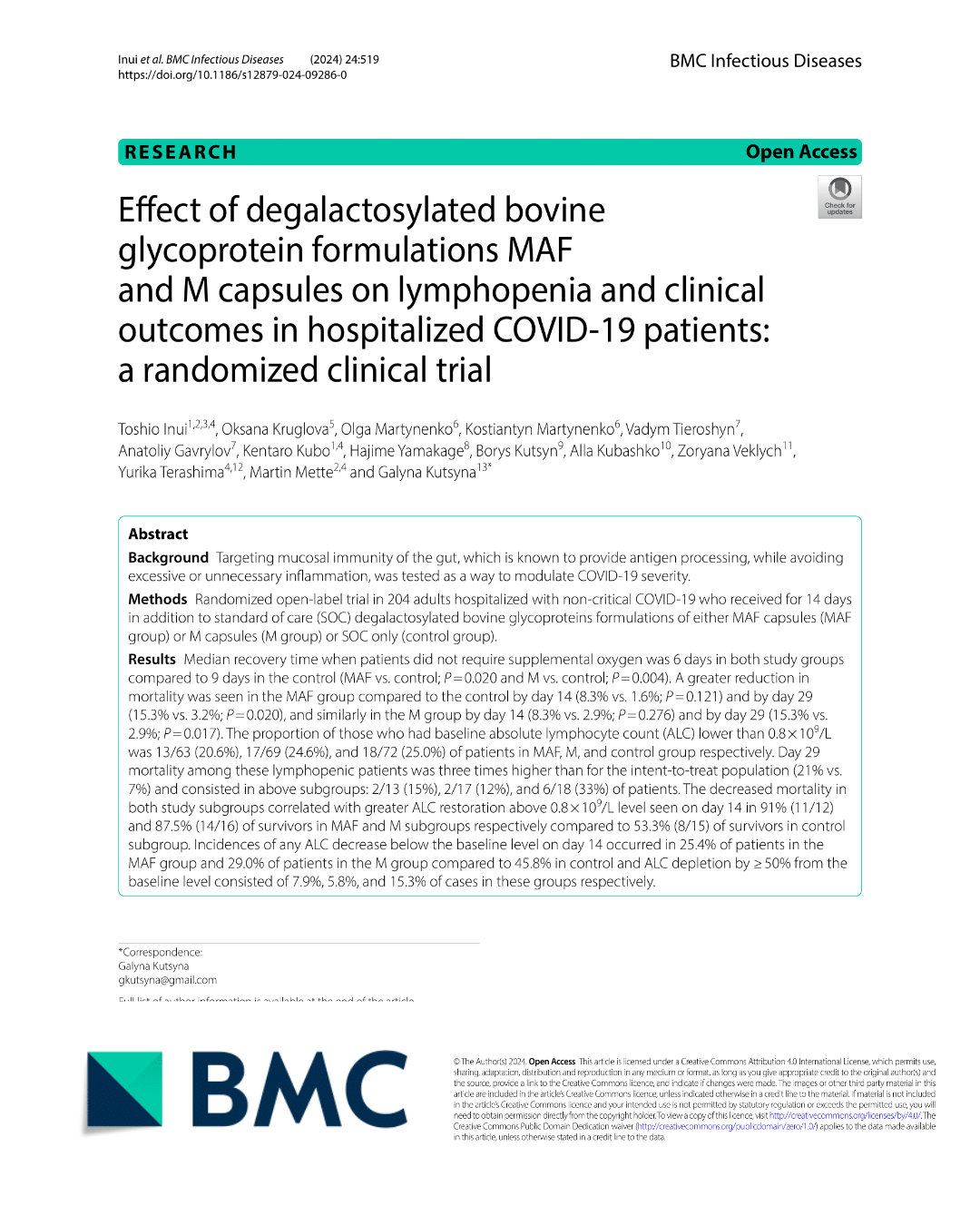
Dietary MAF & Lymphocyte Recovery
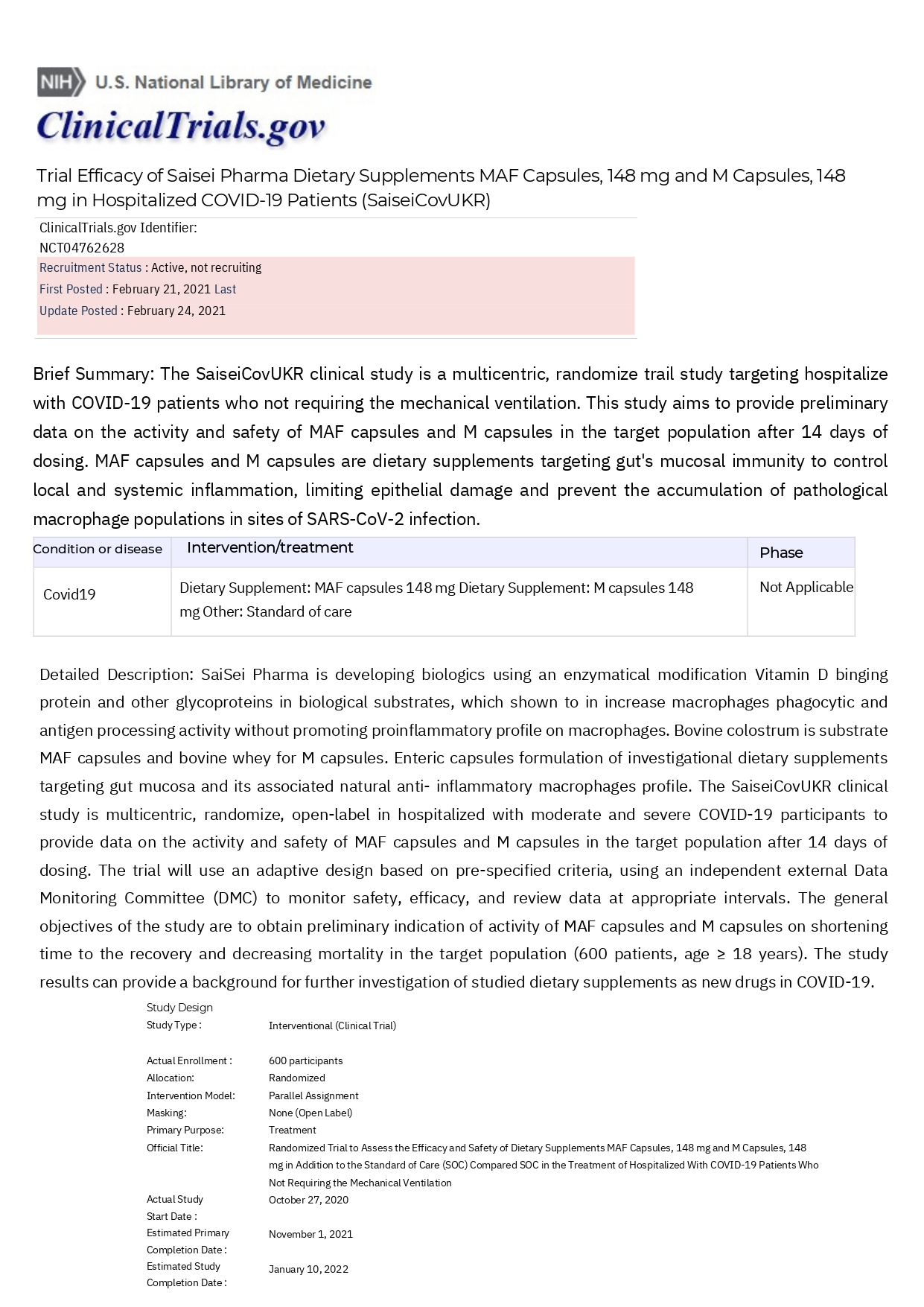
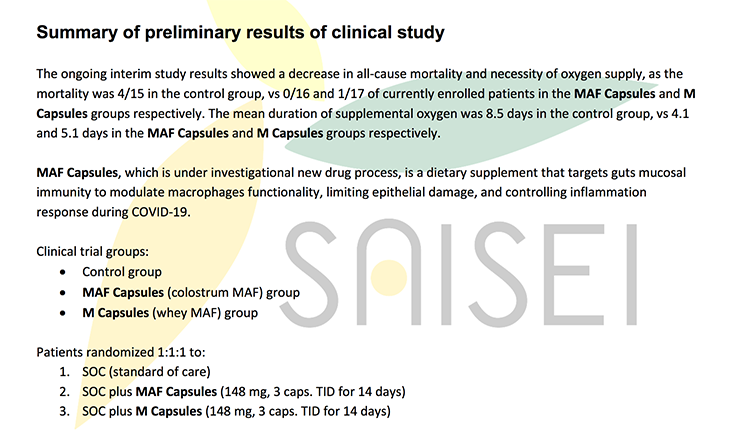
A randomized clinical trial in hospitalized COVID-19 patients examined how dietary MAF influences lymphopenia, immune recovery, and clinical outcomes through mucosal (gut) immune pathways.
Findings suggest dietary MAF may help:
Designed to support a balanced and resilient immune response while helping reduce excessive inflammatory burden.
View Full StudySource: BMC Infectious Diseases (Springer Nature)
Clinical Evidence
Oral MAF & Clinical Recovery
A prospective phase II clinical trial in hospitalized patients with COVID-19 pneumonia examined the adjunctive use of oral MAF alongside standard of care, with a focus on immune dysregulation, clinical progression, and recovery.
Findings suggest oral MAF may help:
Designed to support a balanced immune response in settings where excessive inflammation may contribute to clinical deterioration.
View Full StudySource: Biomedicine & Pharmacotherapy (Elsevier)