
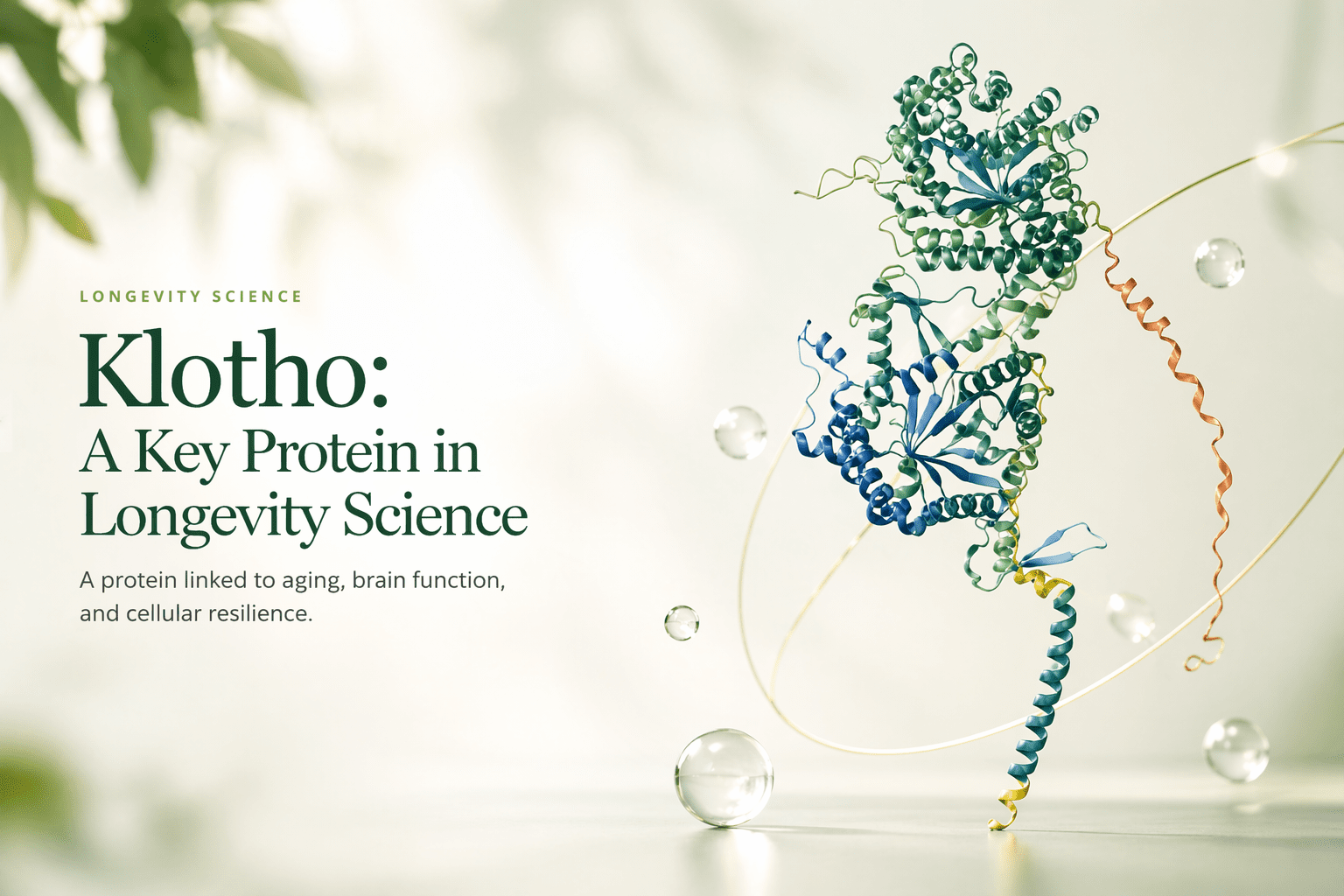
Beyond a Single Aging Pathway
Klotho is studied as part of a wider biological network involved in cellular resilience, brain health, metabolic balance, and healthy aging research.
7-Page Visual Guide
Why Klotho Matters After 40
Meet Klotho through a gentle visual story — what it is, how it relates to healthy aging, and why it’s worth understanding as part of life after 40.

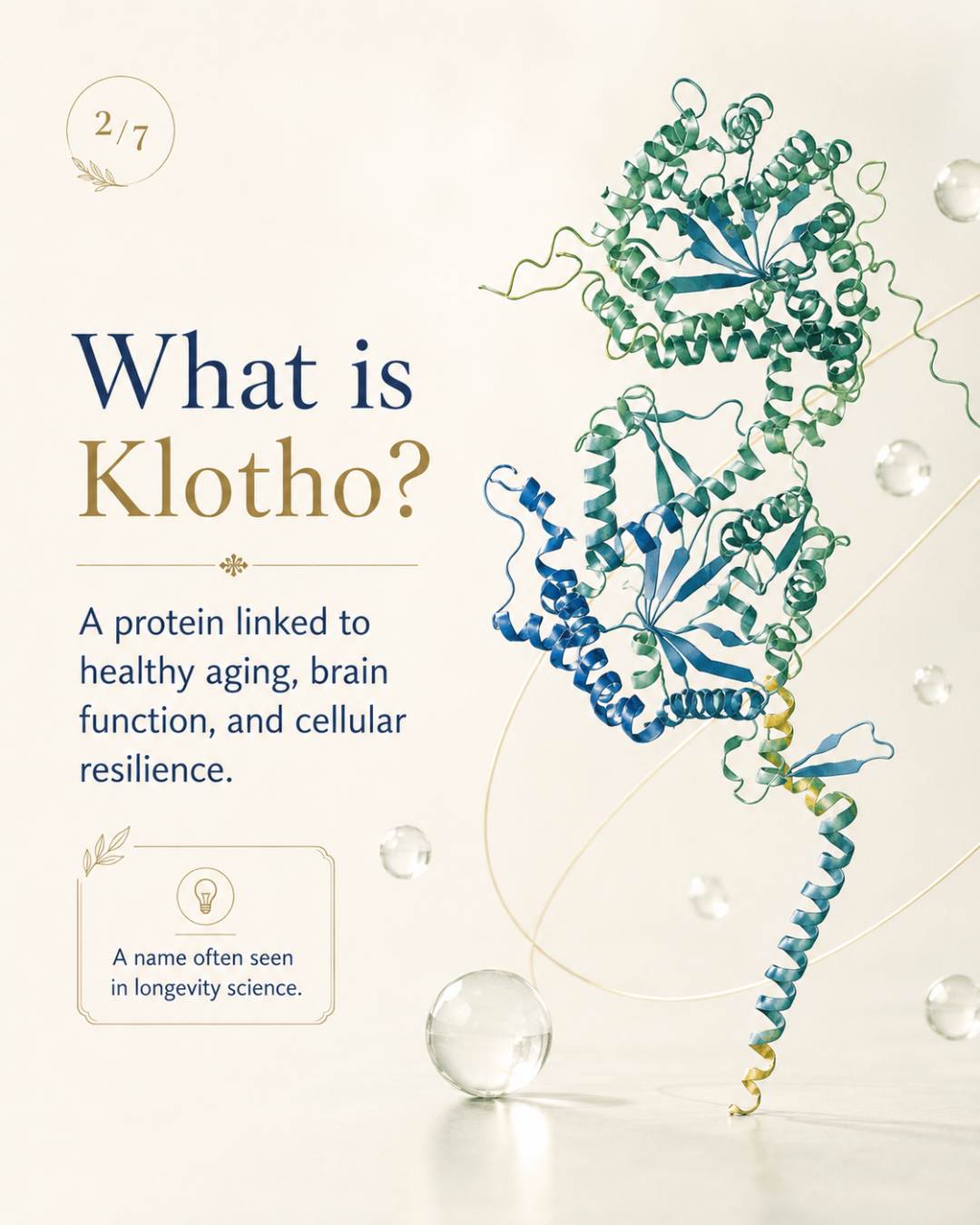




A small protein with a big role in aging research
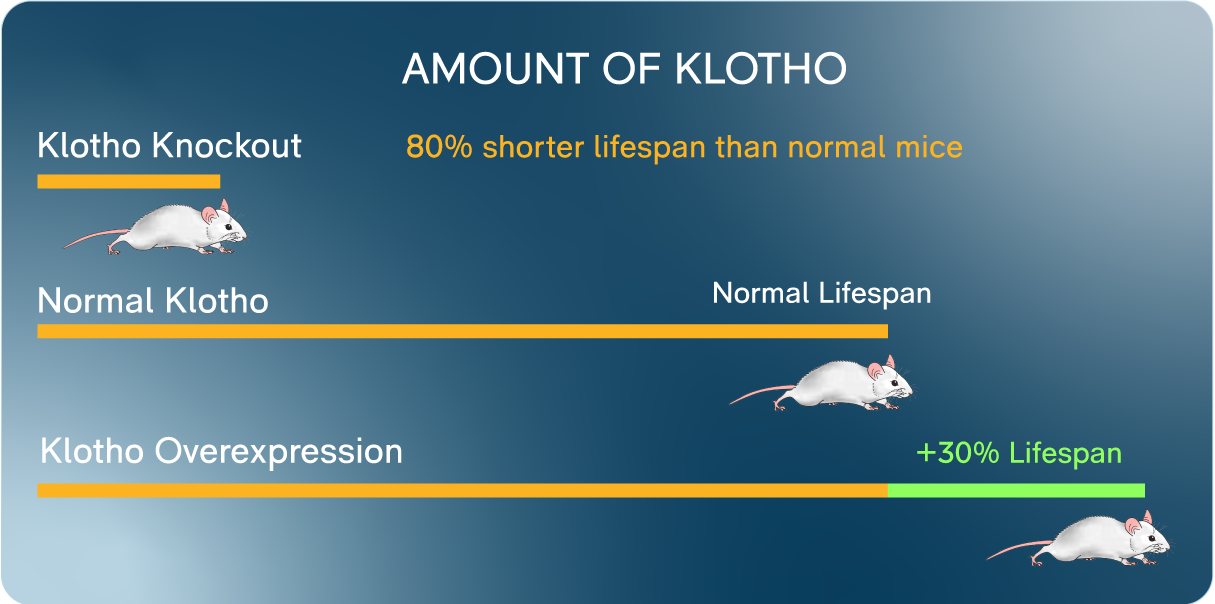
In studies, mice with no Klotho lived 80% shorter lives. In contrast, mice with increased Klotho levels lived 30% longer than normal. Therefore, Klotho may play a key role in how we age.
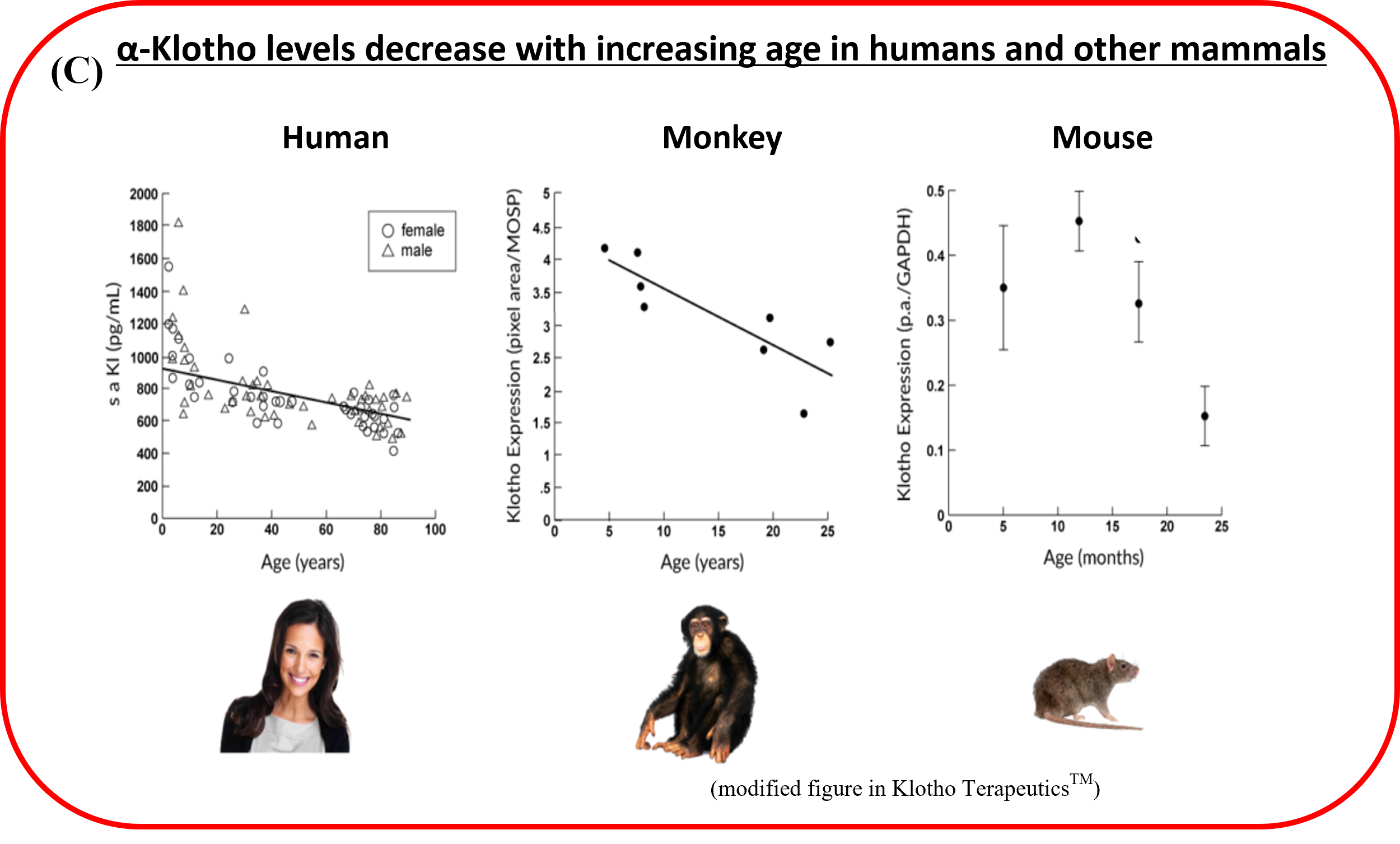
Klotho Levels Decline with Age
Soluble α-Klotho levels are observed to decline with age, with noticeable reductions reported after the age of 40.
This age-related decrease has been studied across humans and other mammals, highlighting Klotho as an important marker in longevity science.
Klotho & the Brain
Klotho has been associated with improved cognition, memory, and neural resilience. In research involving aged primates, Klotho-related pathways have been studied for their potential role in enhancing brain function and maintaining cognitive performance over time.
Learn More About Brain Activation →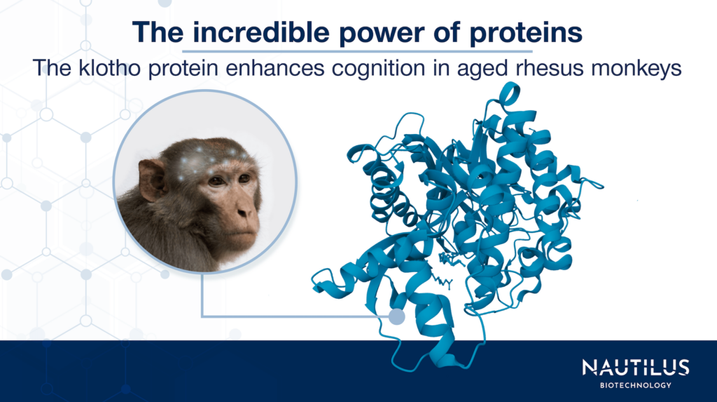
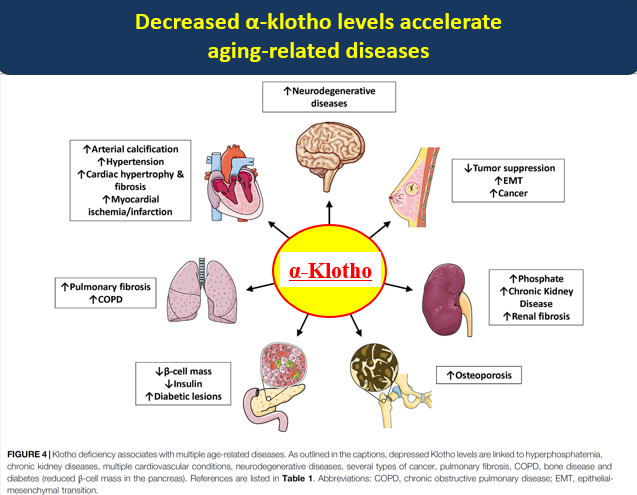
Klotho and whole-body aging
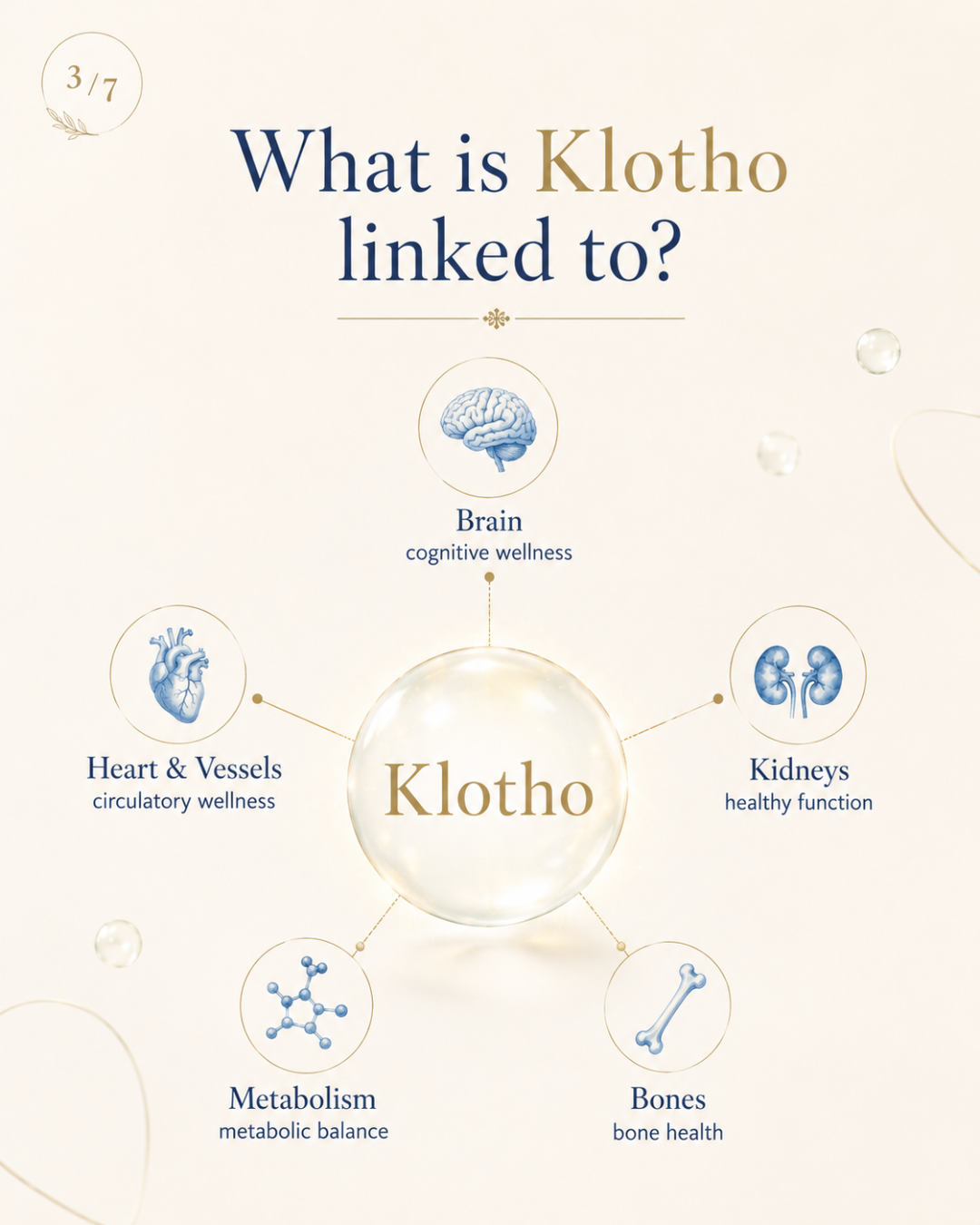
Decreased α-Klotho levels have been studied in relation to multiple age-related biological systems, including the brain, heart, kidneys, lungs, bones, and metabolic tissues.
This is why Klotho is often discussed as more than a single marker — it may reflect broader changes in how the body maintains resilience with age.

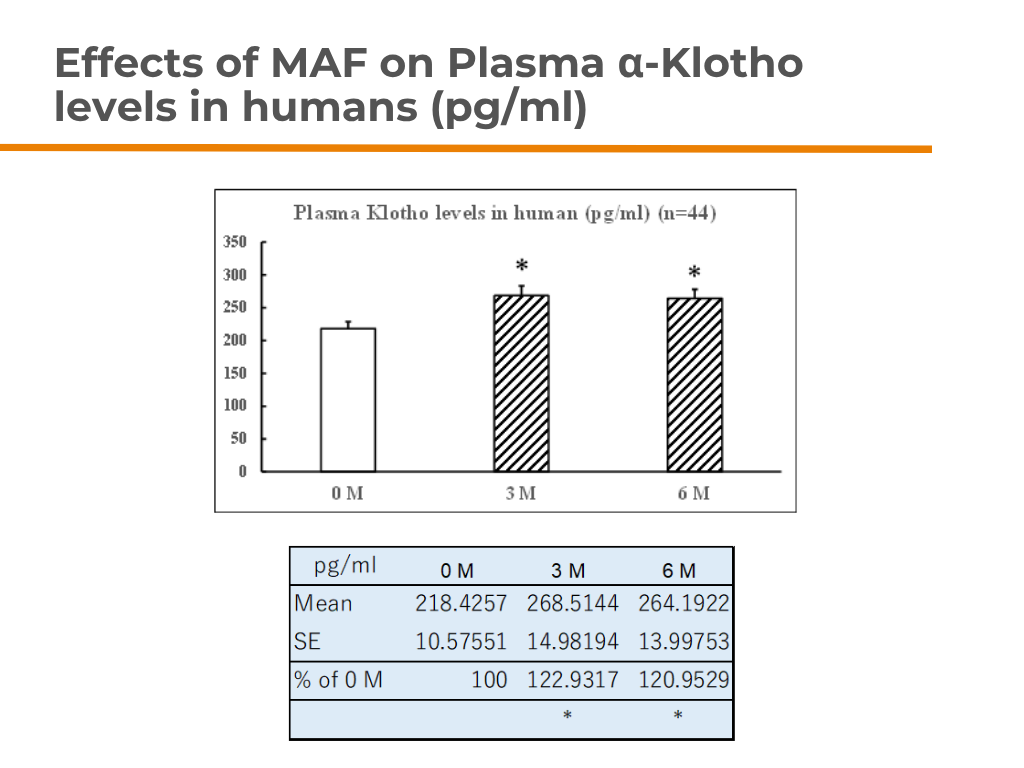
Boosting Klotho with MAF Triple
Protecting Klotho may be key to healthy longevity.
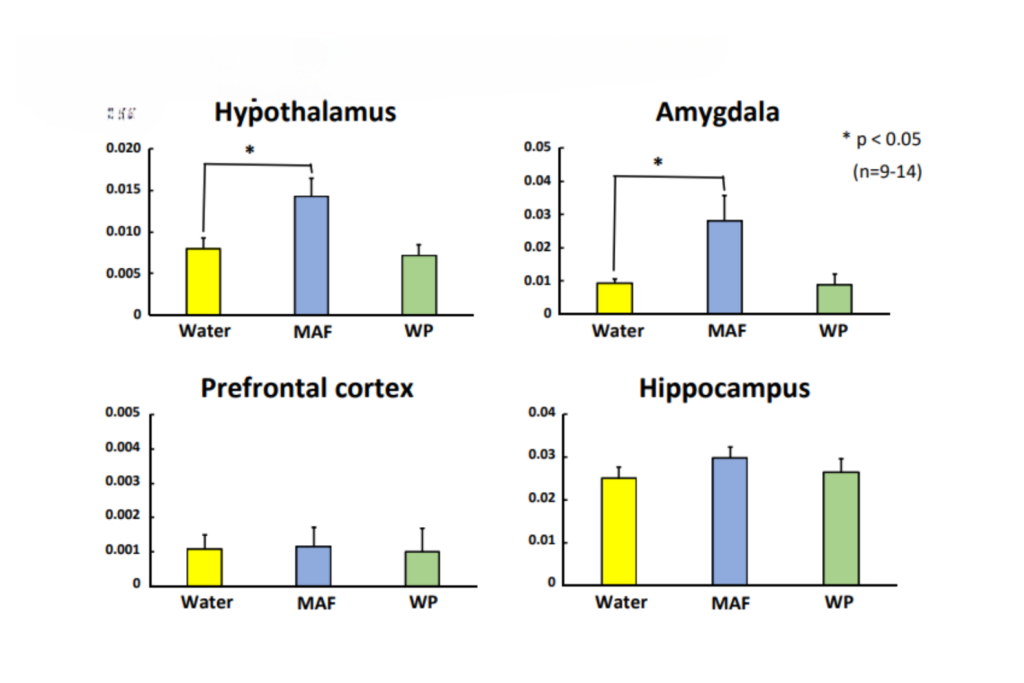
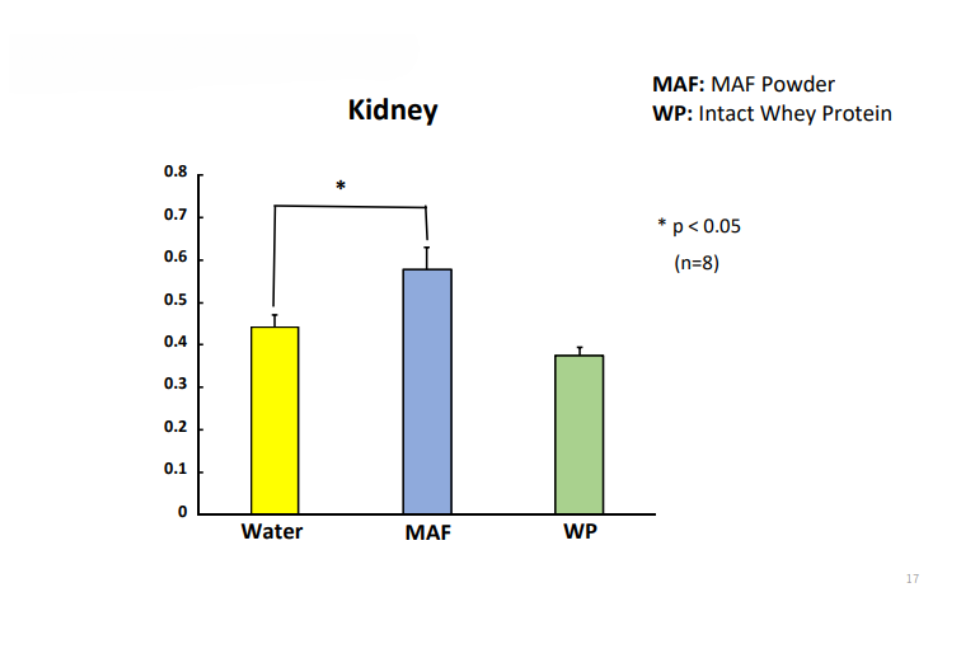
In preclinical research, dietary MAF was shown to increase α-Klotho levels compared with water and whey protein groups.
- Plasma α-Klotho: MAF showed a notable increase compared with control groups.
- Brain regions: Increased α-Klotho content was observed in the hypothalamus and amygdala.
- Kidney: α-Klotho levels increased in the organ known as a major source of circulating α-Klotho.
Research Snapshot
The following graphs summarize α-Klotho changes observed in plasma, brain regions, and kidney tissue.
Video overview of Klotho-related research and biological pathways.