Research Hub
-
What Are Macrophages? Why They Matter for Healthy Immunity
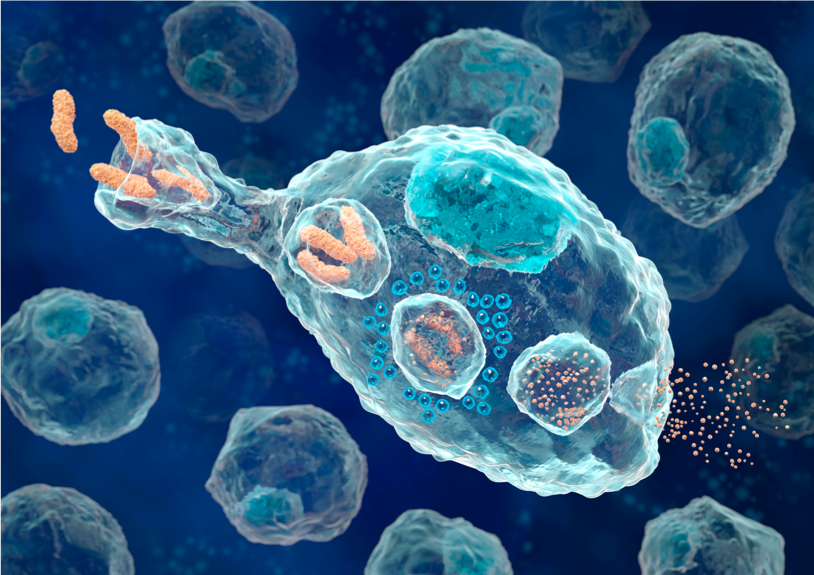
When people think about the immune system, they often picture white blood cells fighting off bacteria and viruses. While that is true, one group of immune cells deserves special attention for its role in supporting the body every day: macrophages. Macrophages are among the first responders of the immune system. They help defend against harmful invaders, remove damaged cells, support tissue repair, and coordinate immune activity. More importantly, macrophages help maintain immune balance rather than simply making the immune system “stronger.” Understanding how macrophages work can provide valuable insight into immunity, inflammation, and healthy ageing. What Are Macrophages? Macrophages are a type of white blood cell that belongs to the…
-
Immune Balance vs. Immune Boosting: What’s the Difference?
Immune balance and immune boosting may sound similar, but they describe very different approaches to immune wellness. Many people want to “boost” their immune system. However, the immune system is not something that simply needs to become stronger and stronger. What matters is its ability to respond appropriately when needed — and to return towards balance when that response is complete. This is what Saisei Australia means by immune balance. What does immune boosting mean? The phrase “immune boosting” suggests making immune activity stronger or more active. But the immune system does not need to operate at maximum strength all the time. A response that is too limited may not…
-
Our Article Has Been Accepted for Publication in Frontiers in Nutrition
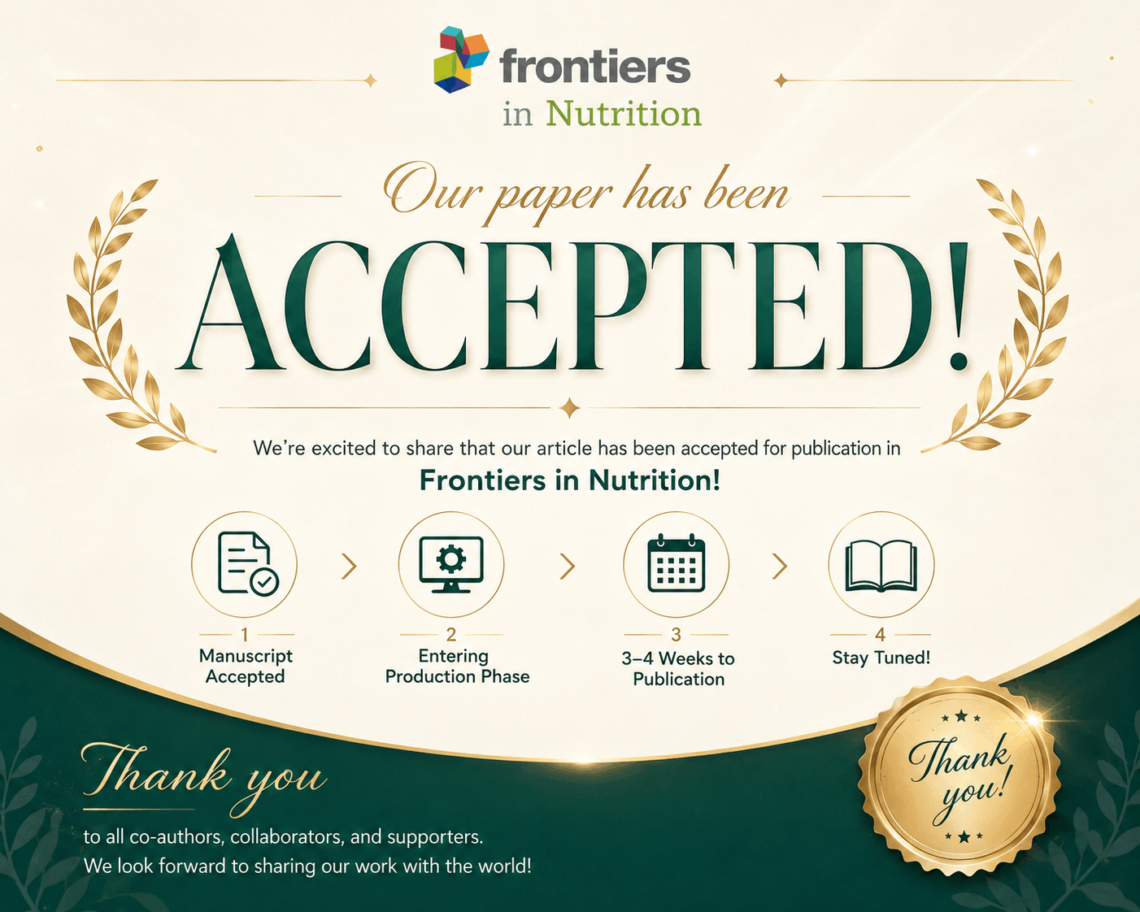
Big news! We are excited to announce that our article has been accepted for publication in Frontiers in Nutrition. Watch our short announcement video. This acceptance marks an important milestone for our research team. We are truly grateful to all co-authors, collaborators, and supporters who contributed to this work. In addition, we are pleased to share this update with our community. Research takes time, care, and teamwork. Therefore, this moment is very meaningful for everyone involved. Frontiers in Nutrition Publication Update First, the manuscript has officially been accepted. Next, it will move into the production phase. During this stage, the final article files will be prepared for publication. After that,…
-
What Is MAF? A Simple Guide to Immune Balance and Healthy Aging
When people begin exploring immune balance, healthy aging, immune resilience, and long-term wellness, they often come across the term MAF. But what does MAF actually mean? And why is it often discussed in relation to immune balance, macrophage activity, and healthy aging? At Saisei Australia, MAF refers to Macrophage Activating Factor. In Saisei’s research and educational materials, D-WP, or Degalactosylated Whey Protein, is also used as the research-language description of the whey-derived MAF preparation studied in published research. This guide explains MAF in simple, everyday language — not as a medicine or quick fix, but as part of a broader conversation about immune balance, cellular wellness, and consistent healthy-aging support.…
-
Featured on Nature: Our Latest Article on Nutrition & Longevity
Saisei Mirai’s latest article is now published on Nature.com as part of the Spotlight Nutrition feature. We are pleased to share that our latest article,“Exploring Links Between Nutrition and Longevity”,has been published on Nature.com as a featured partner-content article. This article highlights our ongoing work at Saisei Mirai, focusing on how nutrition and immune pathways may play a role in healthy ageing. The feature explores key areas of our research, including: The relationship between macrophage activation and muscle health Signals such as IGF-1 and their relevance to ageing biology Emerging insights into telomere length and cellular ageing The potential role of Klotho in longevity-related pathways As global interest in longevity…
-
A New Era of Dietary Rejuvenation: Phase 2 Clinical Trial of Dietary MAF in Japan
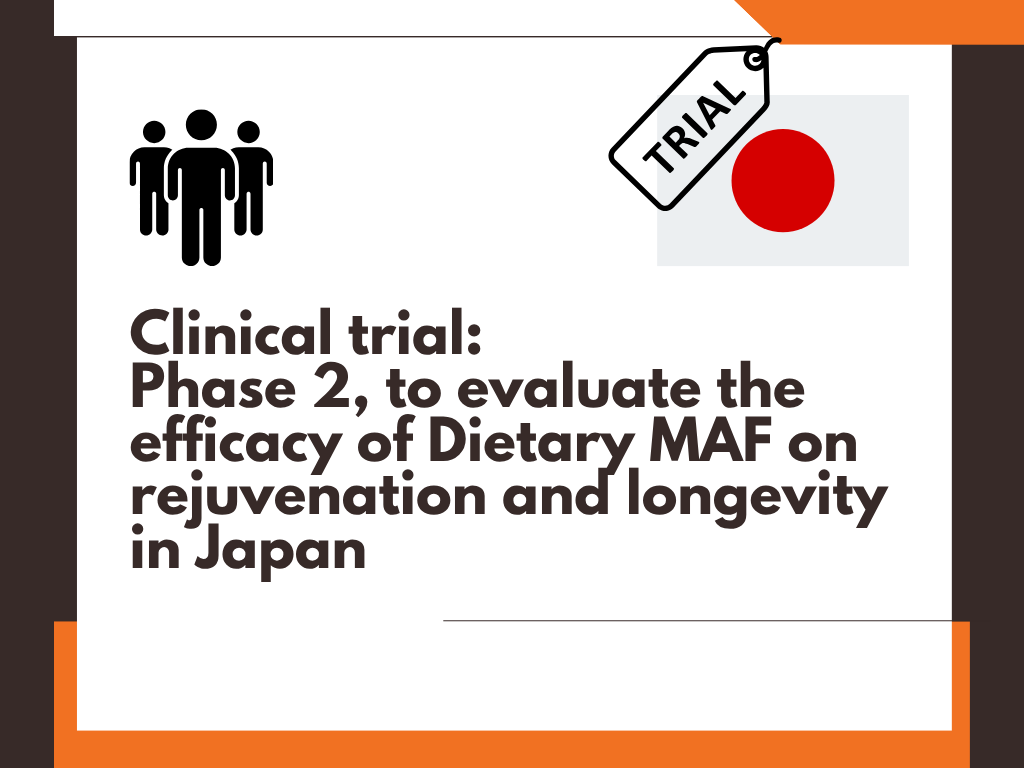
The desire to live longer—and live well—is universal. Yet as we age, our cells and genes gradually change, revealing measurable signs of biological aging.One emerging approach attracting scientific attention is MAF (Macrophage Activating Factor) delivered through diet. In Japan, a large-scale clinical trial is underway to investigate whether Dietary MAF can meaningfully influence markers of aging and longevity. This article highlights the latest findings from the ongoing Phase 2 study. Study Overview: 203 Adults Aged 40+ Participated This multi-centre, non-randomized Phase 2 interventional trial involved 203 healthy adults over 40 years old—139 females and 64 males—ranging from their 40s to their 90s. Primary Objective Evaluate the efficacy of Dietary MAF on rejuvenation and…
-
Saisei Mirai Featured in Science Featured – Telomere Research Highlighted!
Dr. Inui’s Research on Telomere Length Featured in Science Featured We are pleased to share that Dr. Toshio Inui, CEO of Saisei Mirai Clinics Group, has been featured in the international science publication Science Featured for his recent research article: “Oral intake of degalactosylated whey protein increases peripheral blood telomere length in young and aged mice.” Publication date: April 16, 2025 Read the article here: Science Featured – How Can You Protect Your Cells from Aging? This recognition highlights the scientific leadership of Dr. Inui and the pioneering work being conducted at Saisei Mirai in the fields of telomere biology, immune modulation, and longevity science. We remain committed to advancing…
-
Role of Telomerase
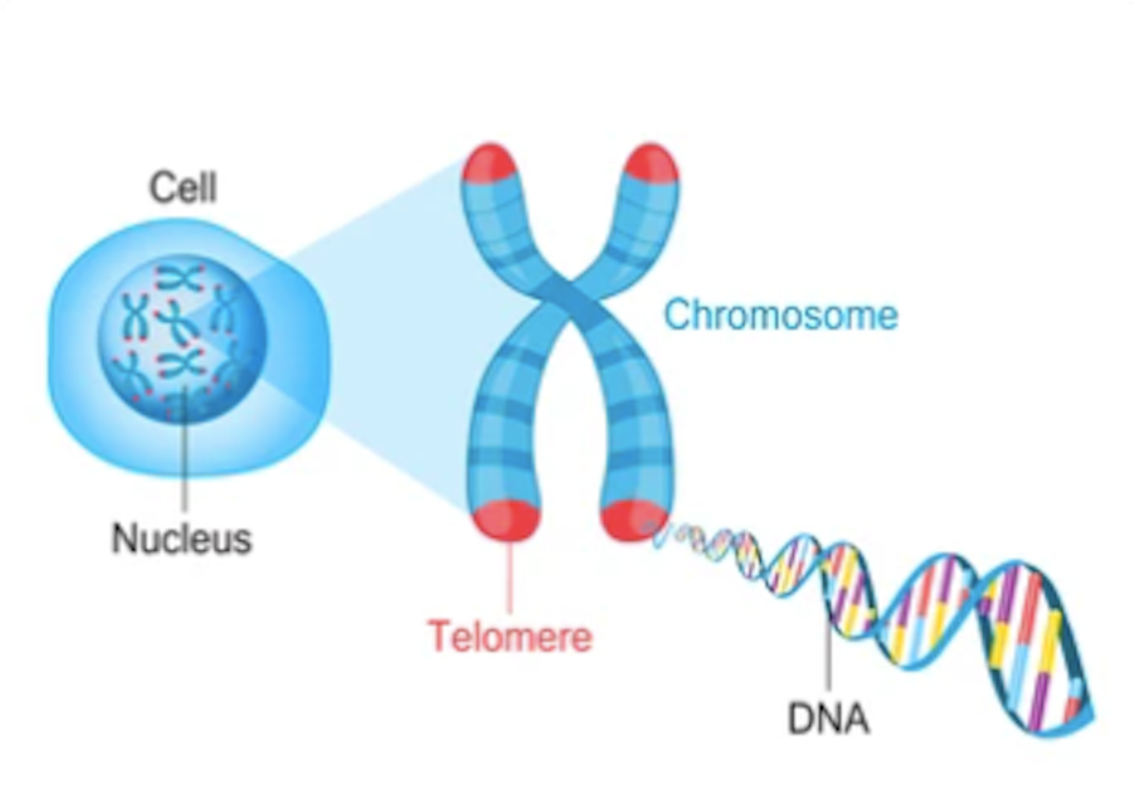
Some cells, like stem cells and cancer cells, activate an enzyme called telomerase, which extends telomeres and allows continued division. In normal somatic cells, telomerase activity is low, leading to gradual telomere shortening.
-
Link to Age-Related Diseases
Shortened telomeres have been associated with age-related conditions such as cardiovascular diseases, neurodegenerative disorders, and weakened immune function.